

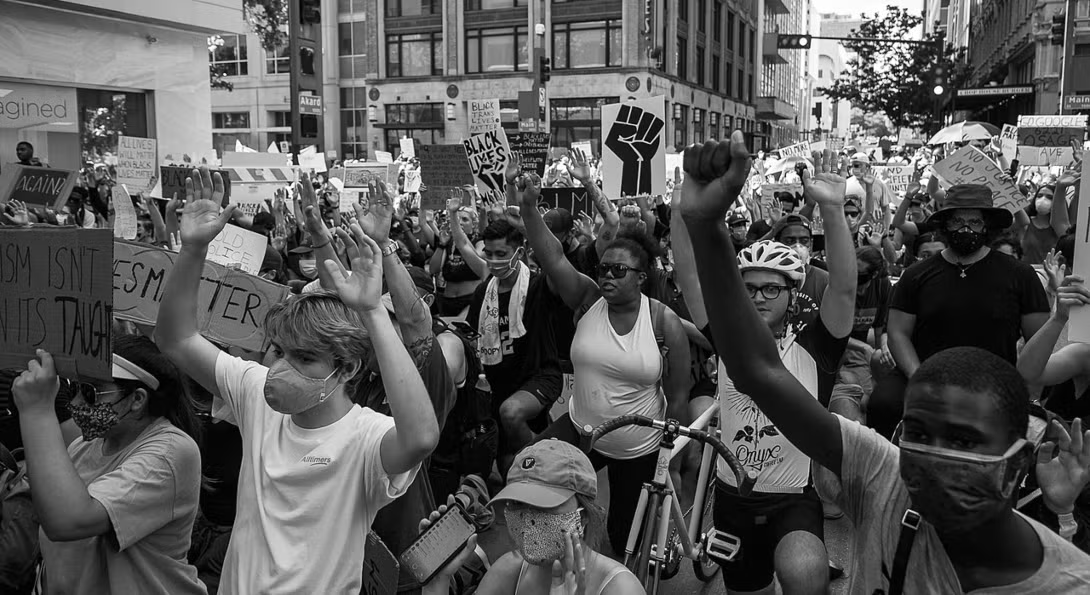
Community-led climate protests are gaining momentum in response to proposed new gas-fired power projects, signaling rising public engagement and concern over environmental and energy policy.
Across several regions, residents, environmental groups, and youth activists have organized rallies, marches, and public meetings to oppose the developments. Protesters argue that investing in new gas infrastructure risks locking in fossil fuel dependence for decades, undermining national climate targets and delaying the transition to renewable energy.
Local communities have also raised concerns about air pollution, health impacts, and the long-term economic viability of gas projects as clean energy becomes more competitive. Many protesters say public funds and planning approvals should instead prioritize wind, solar, energy storage, and grid upgrades.
Organizers note that the scale and diversity of participation has increased, with families, local leaders, and workers joining demonstrations. Social media campaigns and grassroots networks have helped amplify local opposition and draw national attention to the issue.
Project developers and government officials have defended the proposals, arguing that gas plants can provide reliable backup power during periods of high demand or low renewable output. However, critics counter that cleaner alternatives and demand-management technologies can fulfill the same role without adding emissions.
Analysts say the growing protests reflect a broader shift in public attitudes toward climate action. As communities become more vocal, their influence is increasingly shaping energy debates and policy decisions at local and national levels – News as reported
