

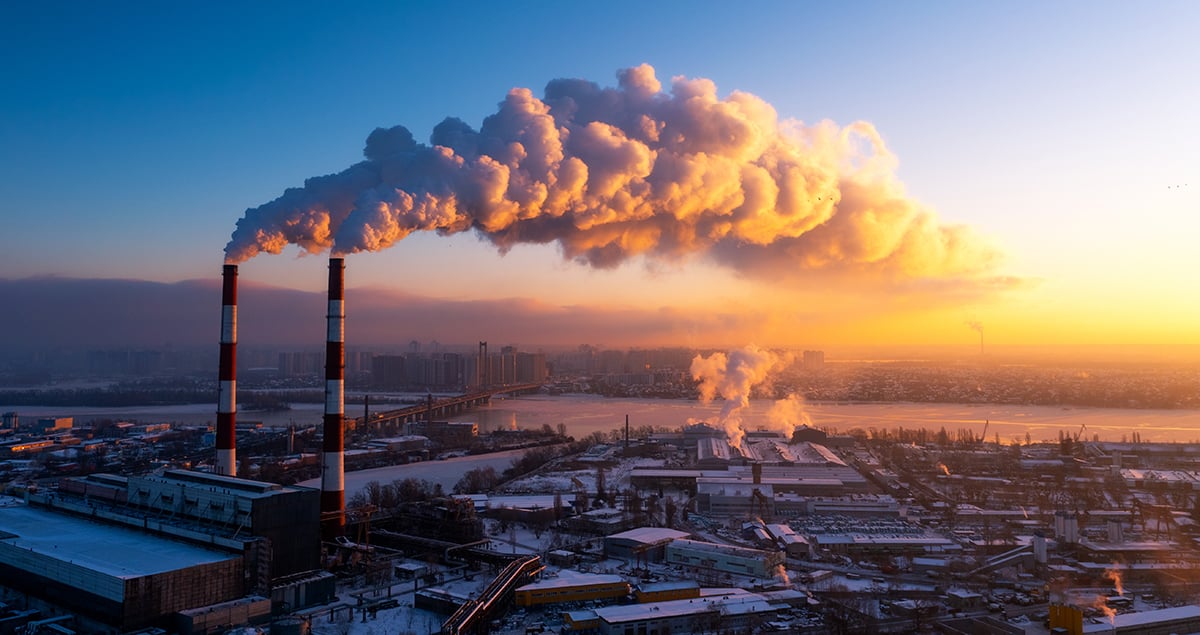
The nation’s carbon emissions increased in 2025, reversing several years of gradual declines and raising fresh concerns about its ability to meet long-term climate targets, according to preliminary government and energy sector data.
Analysts report that the rise was driven by higher fossil fuel use across power generation, transport, and heavy industry. Increased electricity demand during prolonged heatwaves led to greater reliance on coal and gas-fired power plants, while a rebound in travel and freight activity further pushed up emissions from oil consumption.
The setback comes after recent progress, when investments in renewable energy, efficiency improvements, and cleaner technologies had helped lower overall emissions. Experts say the 2025 increase highlights structural challenges in the energy system, including slow grid upgrades, delays in renewable projects, and continued dependence on fossil fuels during periods of peak demand.
Environmental groups warn that the reversal could undermine national commitments under international climate agreements. Missing near-term targets, they argue, would make future reductions more difficult and costly, increasing the risk of severe climate impacts.
Government officials acknowledged the rise and said additional measures are under review. Proposed responses include accelerating renewable energy deployment, strengthening emissions standards, and expanding support for clean transport and industry.
Climate experts stress that sustained and consistent action is essential. Without decisive policy interventions, they warn, short-term increases like those seen in 2025 could become a recurring obstacle to achieving long-term climate goals – News as reported
