

Scientists have confirmed that 2025 ranks among the warmest years ever recorded, highlighting the accelerating pace of global warming and its far-reaching consequences.
Data from leading climate monitoring agencies show that global average temperatures in 2025 remained close to, or exceeded, recent record highs. Researchers attribute the persistent heat primarily to long-term human-driven greenhouse gas emissions, with natural climate variability adding to the intensity in some regions.
The effects of the extreme warmth were felt across the globe. Prolonged and intense heatwaves swept through parts of Europe, Asia, Africa, and North America, raising health risks, increasing heat-related deaths, and placing heavy pressure on electricity and water systems. Warmer ocean temperatures also played a significant role, contributing to widespread coral bleaching, disruptions to fisheries, and more powerful tropical storms.
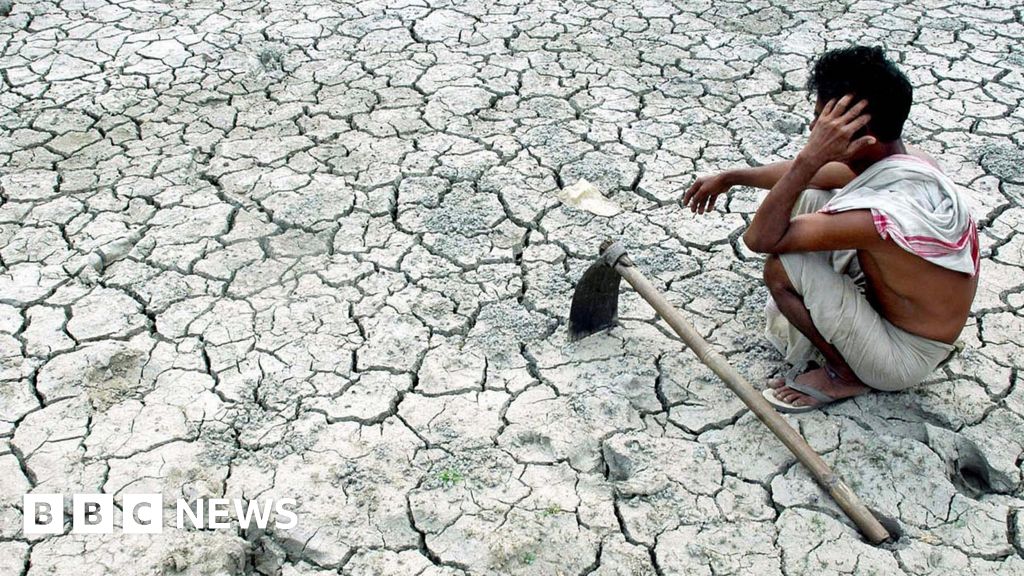
Scientists observed a rise in climate-related extremes throughout the year, including severe droughts, destructive wildfires, and episodes of intense rainfall that triggered flooding. Experts say these events are consistent with climate models that predict more frequent and severe extremes as global temperatures climb.
Climate researchers warn that 2025’s ranking is another clear signal of an intensifying climate crisis. They stress that urgent cuts to greenhouse gas emissions, combined with stronger adaptation measures, are essential to limit future warming and reduce the growing risks to communities and ecosystems worldwide. – News as reported
