

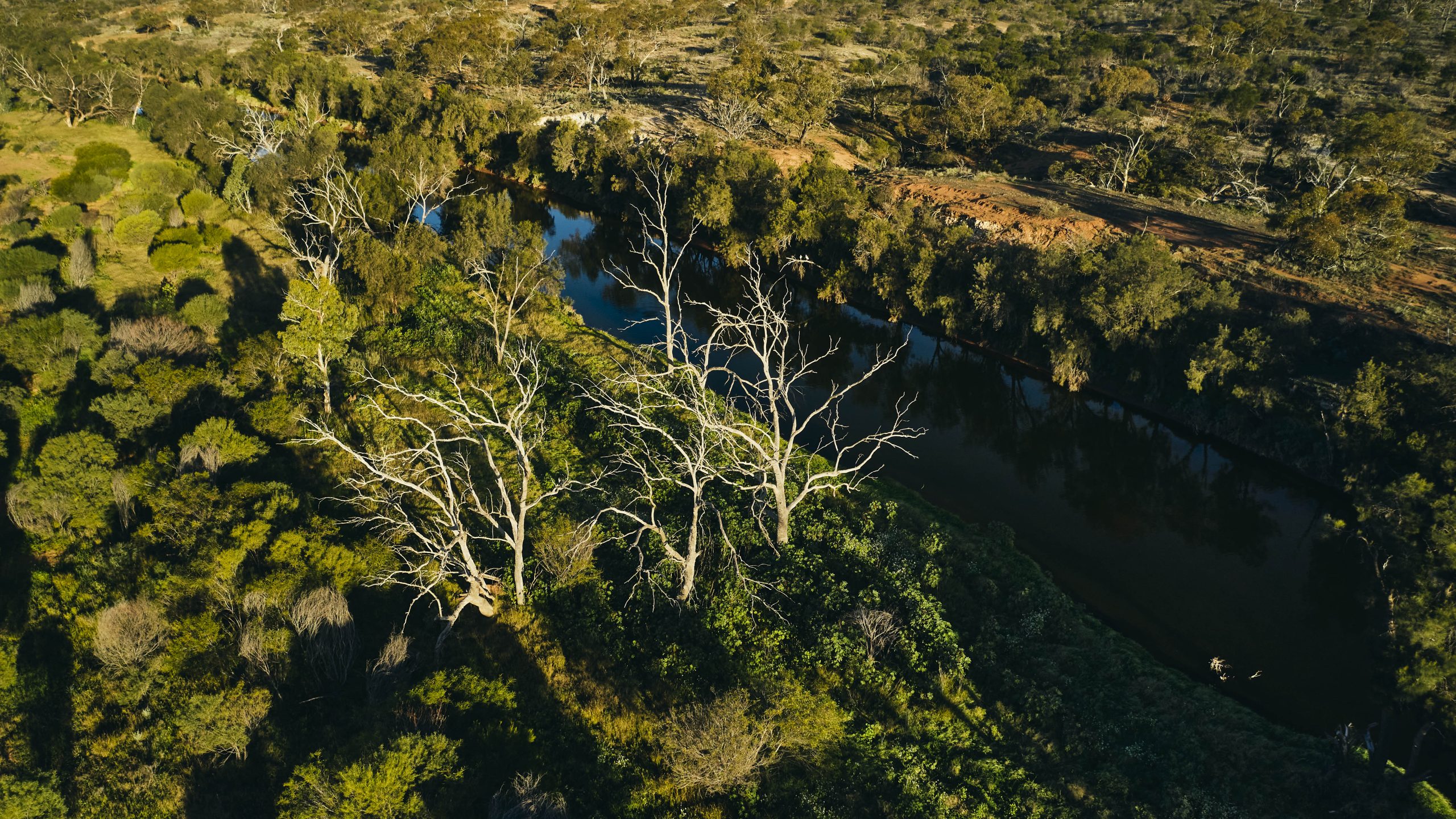
Forests worldwide are facing a mounting crisis as heatwaves, drought, and beetle infestations devastate trees, sharply reducing their ability to absorb carbon and combat climate change. In response, forestry experts are turning to biodiverse replanting strategies, moving away from traditional monoculture forests toward mixed-species approaches designed to build resilience.
Rising temperatures and prolonged dry periods have allowed beetle populations to explode, killing vast swaths of conifer and other tree species. These losses not only threaten timber industries but also diminish forests’ critical role as carbon sinks, exacerbating greenhouse gas accumulation in the atmosphere.
To address the problem, foresters are increasingly planting diverse mixes of native trees and shrubs that are more resistant to pests, drought, and extreme weather. Mixed-species forests also support richer wildlife habitats, improve soil health, and enhance long-term ecosystem stability.
Researchers stress that while replanting is not a quick fix, it represents a necessary adaptation to climate-driven forest decline. “We need forests that can survive future conditions, not just grow quickly today,” experts note, emphasizing the importance of resilience over short-term productivity.
The shift toward biodiverse forests highlights a broader recognition that maintaining ecosystem health is essential not only for carbon storage but for protecting biodiversity and sustaining human communities that depend on healthy forests.
