

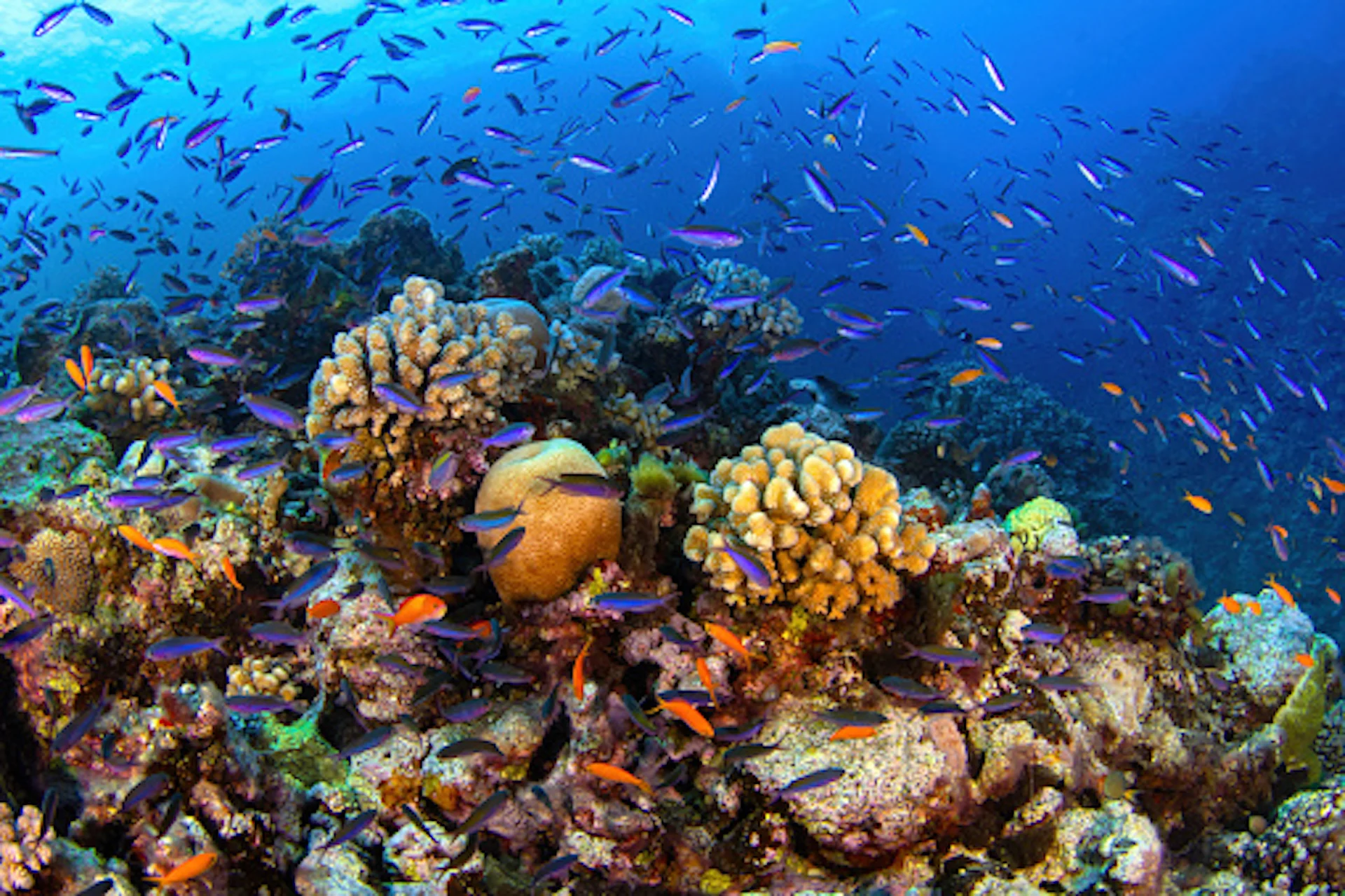
Coral reefs around the world are experiencing widespread bleaching in what scientists warn may be the most extensive global event on record. Elevated ocean temperatures have now impacted an estimated 84% of coral reef ecosystems worldwide, raising serious concerns about the future of these vital marine habitats.
Coral bleaching occurs when prolonged heat stress causes corals to expel the symbiotic algae that provide them with color and energy. Without these algae, corals turn white, weaken, and become far more vulnerable to disease and death. While corals can recover if temperatures cool, repeated or prolonged bleaching events drastically reduce their chances of survival.
Researchers say the scale of the current bleaching is unprecedented, affecting reefs across the Pacific, Atlantic, and Indian Oceans. Even remote and previously resilient reef systems are showing signs of severe stress. Scientists link the crisis directly to rising global temperatures driven by climate change, compounded by marine heatwaves that have intensified in recent years.
Coral reefs support roughly a quarter of all marine species and provide food, coastal protection, and livelihoods for hundreds of millions of people. Their decline threatens biodiversity, fisheries, and tourism-dependent economies.
Experts warn that without rapid reductions in greenhouse gas emissions, coral reefs could face irreversible losses. The current bleaching event, they say, is a stark signal that ocean ecosystems are reaching dangerous limits.
