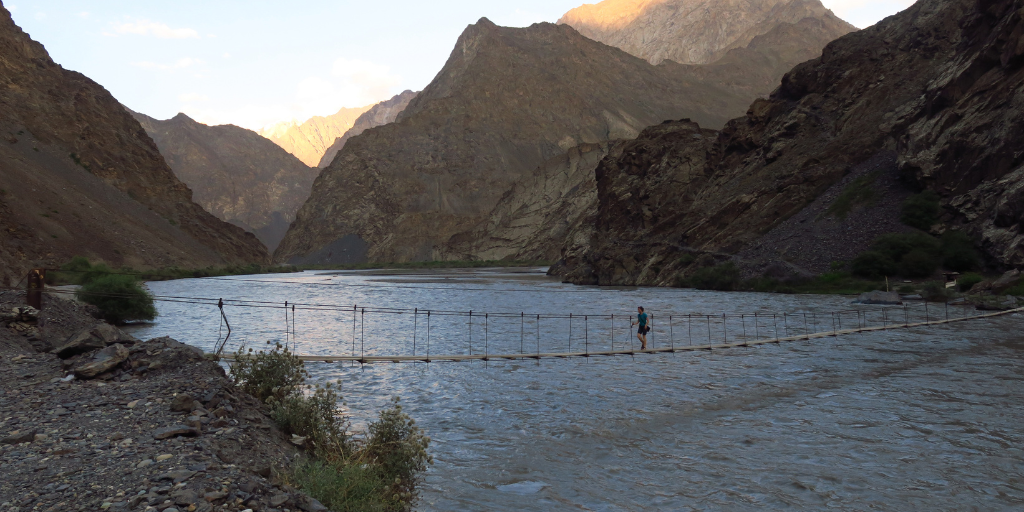
Scientists around the world are calling for urgent action to protect freshwater resources as growing demand, pollution, and climate change place increasing pressure on rivers, lakes, and groundwater supplies. Freshwater is essential for drinking, agriculture, industry, and ecosystems, yet it represents only a small fraction of the planet’s total water.
Rising temperatures are altering rainfall patterns, leading to more frequent droughts in some regions and floods in others. Glaciers, which provide a steady source of freshwater for millions of people, are shrinking rapidly, threatening long-term water availability. At the same time, pollution from agriculture, industry, and urban waste continues to contaminate vital water sources.
Experts urge governments to adopt stronger water management policies, including improved irrigation efficiency, protection of watersheds, and stricter controls on pollution. Investing in water recycling, rainwater harvesting, and modern infrastructure can also help reduce waste and improve access to clean water.
Public awareness and international cooperation are seen as key to addressing the crisis. Scientists warn that without immediate and coordinated action, water scarcity could intensify, leading to food shortages, health risks, and increased conflict. Preserving freshwater resources is critical to ensuring sustainable development and resilience for future generations.