

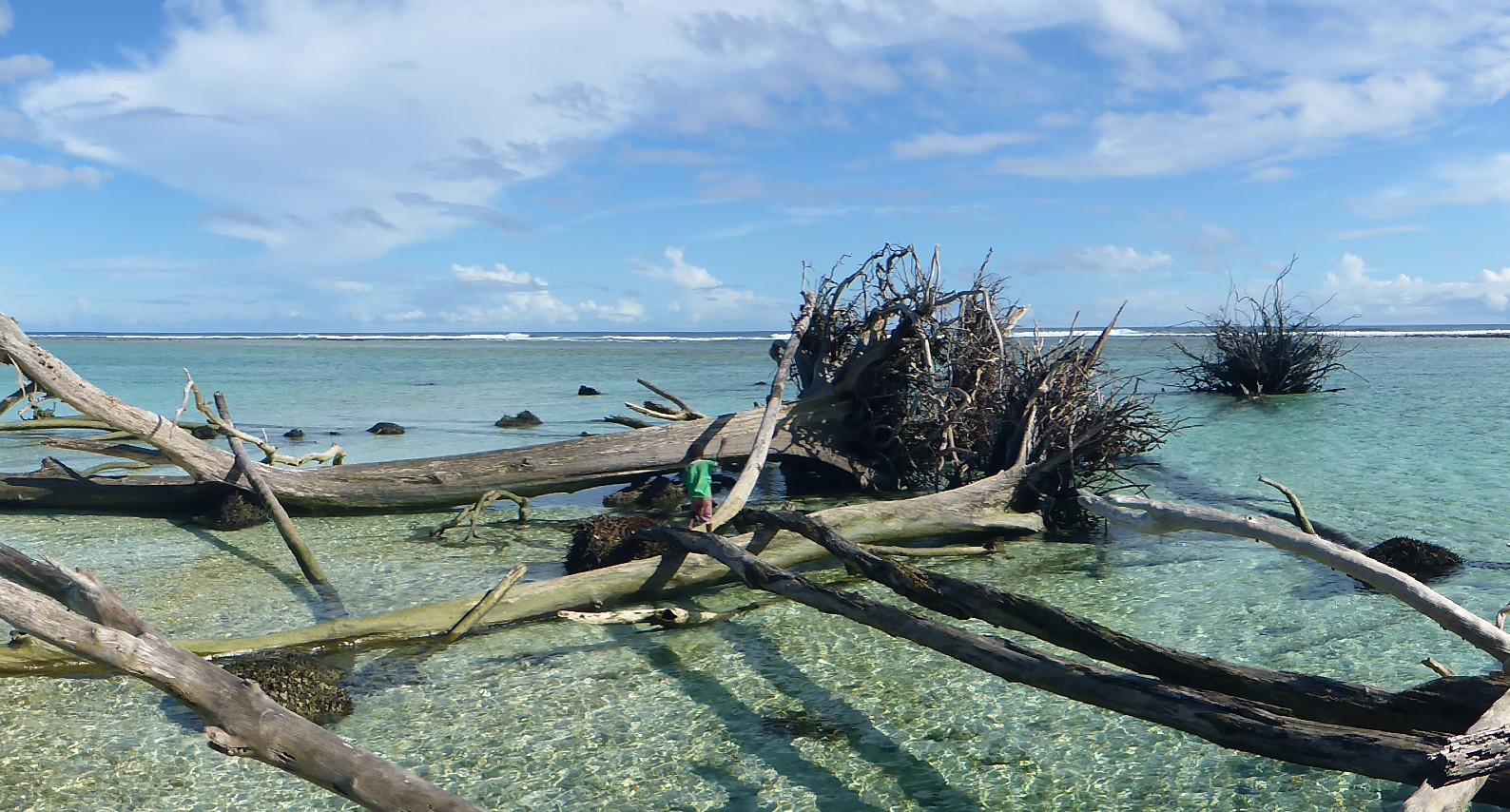
Rising sea levels are pushing governments around the world to introduce new coastal protection measures as climate change accelerates the melting of glaciers and polar ice caps. Low-lying coastal regions and island nations are increasingly vulnerable to flooding, erosion, and storm surges, threatening homes, infrastructure, and local economies.
To reduce risks, many countries are investing in stronger sea walls, flood barriers, and improved drainage systems. Nature-based solutions are also gaining attention, including the restoration of mangroves, coral reefs, and wetlands, which act as natural buffers against waves and rising tides. These approaches not only protect coastlines but also support biodiversity and fisheries.
Urban planners are updating building codes to ensure new developments can withstand higher water levels, while some communities are adopting managed retreat strategies, relocating residents from the most at-risk areas. Early warning systems and improved disaster preparedness are helping coastal populations respond more effectively to extreme weather events.
Experts warn that sea levels will continue to rise for decades, even if emissions are reduced. They stress that combining long-term climate mitigation with immediate adaptation measures is essential to protect vulnerable coastlines, reduce economic losses, and safeguard millions of people who depend on coastal environments for their livelihoods.
