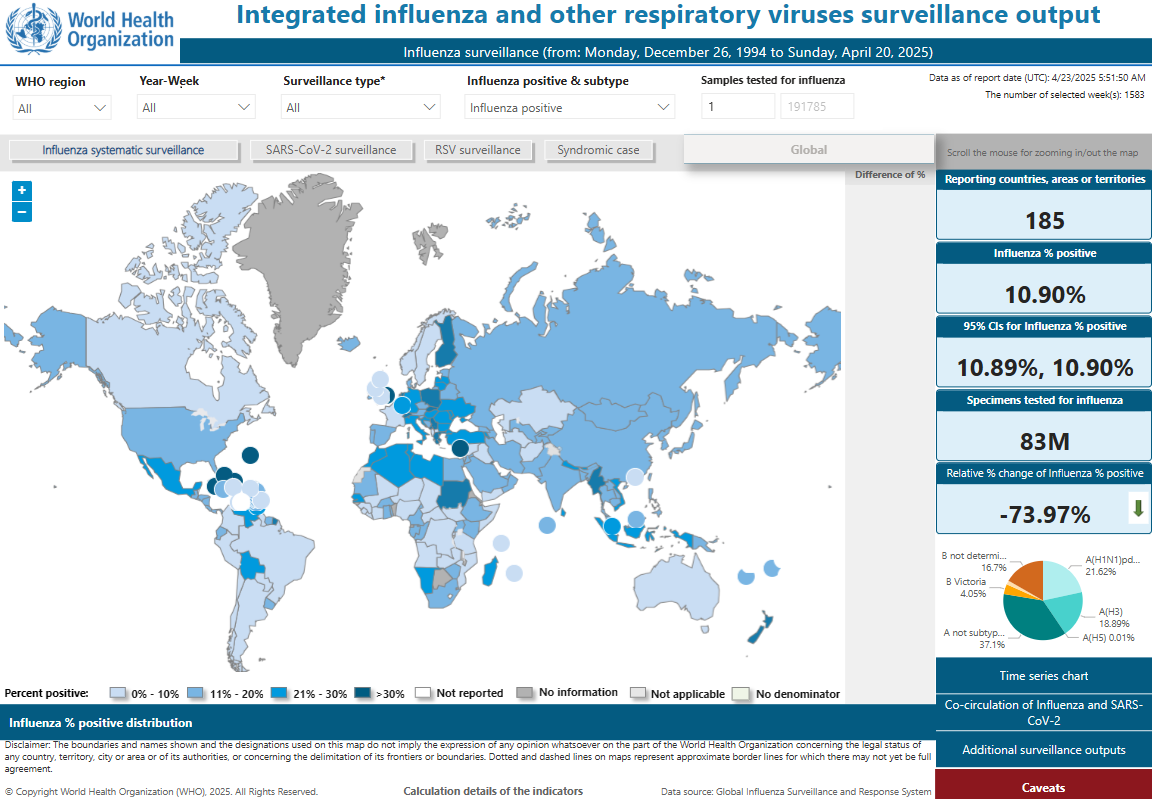
Global health authorities are intensifying surveillance and reporting on the spread of seasonal illnesses — notably influenza and other respiratory infections — as activity rises in multiple parts of the world. According to the World Health Organization (WHO), seasonal influenza activity has increased in recent months across the northern hemisphere and some regions of the southern hemisphere, with influenza A(H3N2) viruses predominant in many areas. WHO’s Global Influenza Surveillance and Response System (GISRS), a coordinated network of laboratories and national surveillance centres operating in more than 130 countries, continues to track circulating virus strains and support data sharing to inform public health responses.
The Centers for Disease Control and Prevention (CDC) in the United States recently classified the 2025–26 flu season as “moderately severe,” reporting millions of illnesses, tens of thousands of hospitalizations and thousands of deaths, and underscores the importance of vaccination and ongoing surveillance to reduce impact. Regional health agencies, including national ministries of health and the European Centre for Disease Prevention and Control (ECDC), are also monitoring influenza and other seasonal respiratory infections and issuing timely updates to communities and health professionals. Integrated monitoring of respiratory syncytial virus (RSV), influenza and other seasonal pathogens is helping health officials anticipate healthcare needs and guide prevention strategies, especially during peak transmission periods. WHO continues to advise maintaining robust surveillance systems and promoting vaccination among high-risk populations as key measures to mitigate seasonal disease burden worldwide. News as reported