

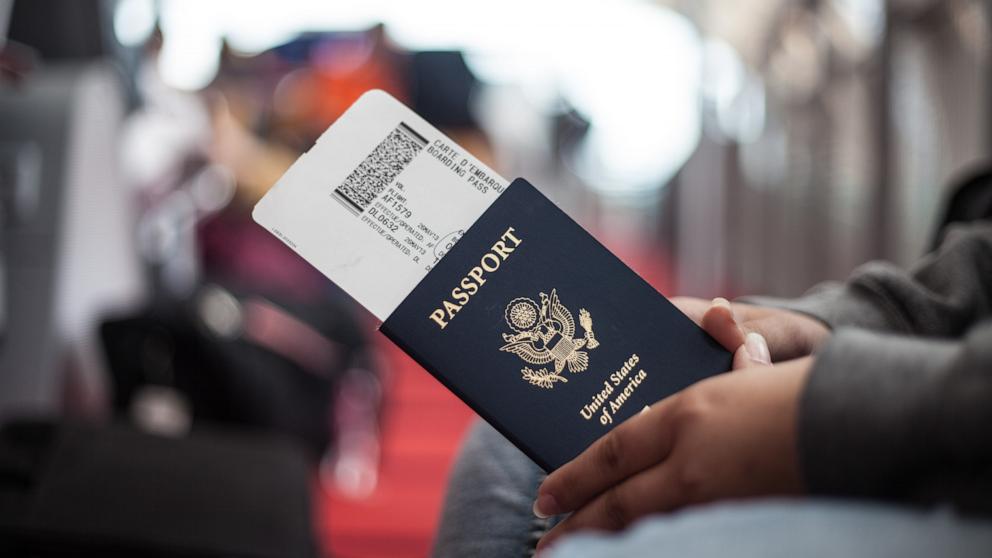
Global travel patterns are undergoing notable shifts as several countries around the world update visa and entry requirements, reshaping how tourists and business travelers plan international trips. Recent regulatory changes have been particularly impactful in major destinations and travel corridors. In Europe, the Entry/Exit System (EES) is being rolled out to digitize border controls and log arrivals and departures for all non-EU visitors, replacing traditional passport stamping with automated data collection to enhance security and efficiency. Meanwhile, the European Travel Information and Authorisation System (ETIAS) will soon require travelers from visa-exempt countries to obtain pre-travel authorization ahead of visits to the Schengen Area, affecting citizens from over 60 nations.
In Asia, China’s expansion of visa-free entry policies and other facilitation measures has fueled a surge in inbound tourism, strengthening people-to-people connections and elevating travel flows from Europe, Latin America, and the Middle East. At the same time, the United States has implemented expanded travel restrictions and biometric entry-exit protocols, which have surprised global travelers and caused adjustments in itineraries, particularly for visitors from affected countries. These shifts underscore how evolving visa regimes and border technologies are influencing international mobility, prompting travelers and the tourism industry to adapt to a more complex regulatory landscape. news as reported
