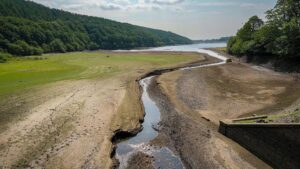
Freshwater reservoir levels are declining across several regions, prompting growing concerns about long-term water security for households, agriculture, and industry. Prolonged dry conditions, shifting rainfall patterns, and increased water demand are placing sustained pressure on existing water supplies.
Water authorities report that reduced inflows have lowered storage levels in key reservoirs, limiting the availability of drinking water and irrigation resources. In response, many regions are introducing water conservation measures, including usage restrictions, public awareness campaigns, and incentives for water-efficient technologies.
Agricultural sectors are among the most affected, as reduced water availability threatens crop yields and livestock production. Farmers are being encouraged to adopt more efficient irrigation methods and drought-resistant crops to manage limited supplies. Urban areas are also reassessing water management strategies to reduce leakage and improve recycling and reuse systems.
Governments are accelerating investments in alternative water sources such as desalination, rainwater harvesting, and wastewater treatment to strengthen resilience against future shortages. Improved monitoring and forecasting systems are being deployed to better anticipate supply risks and guide policy decisions.
Experts warn that declining reservoir levels reflect broader challenges linked to climate variability and population growth. They stress that coordinated planning, sustainable water use, and long-term infrastructure development will be critical to ensuring reliable freshwater access in the years ahead.