

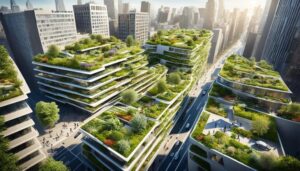
Urban biodiversity projects are gaining momentum in major cities as planners and environmental groups seek to restore nature within densely populated areas. Faced with rising pollution, heat stress, and habitat loss, cities are increasingly turning to green solutions to improve environmental health and quality of life.
Initiatives include the creation of urban forests, green roofs, pollinator gardens, and restored wetlands along rivers and lakes. Native plants and trees are being prioritized to support birds, insects, and small wildlife while requiring less water and maintenance. Many cities are also redesigning public spaces to include biodiversity-friendly features such as permeable pavements and wildlife corridors.
Local governments are working with schools, resident associations, and volunteers to encourage community participation in planting and monitoring efforts. These projects not only enhance ecosystems but also provide educational opportunities and recreational spaces for residents.
Experts note that urban biodiversity helps regulate temperatures, improve air quality, and manage stormwater runoff, making cities more resilient to climate change. Green spaces also contribute to better mental and physical well-being.
While challenges such as limited space and funding remain, environmental planners say sustained investment and inclusive planning can help cities balance development with nature. The growing momentum behind urban biodiversity projects reflects a shift toward more sustainable and livable urban futures.
