

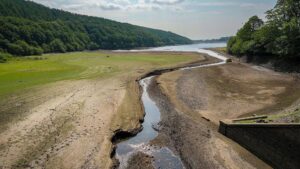
Freshwater conservation efforts are being intensified worldwide as reservoir levels continue to decline due to prolonged droughts, rising temperatures, and increasing water demand. Environmental agencies warn that shrinking freshwater reserves pose serious risks to drinking water supplies, agriculture, and energy production.
Several regions have reported critically low water levels in major reservoirs, affecting irrigation systems and hydroelectric power generation. In response, governments are implementing stricter water management policies, including limits on non-essential water use and incentives for conservation. Urban areas are promoting rainwater harvesting, wastewater recycling, and the use of water-efficient appliances to reduce overall consumption.
Farmers are being encouraged to adopt sustainable irrigation methods such as drip irrigation and crop diversification to minimize water loss. At the same time, efforts to restore wetlands and protect natural watersheds are gaining momentum, as these ecosystems play a vital role in replenishing groundwater and maintaining water quality.
Public awareness campaigns are also being launched to educate communities about responsible water use and the long-term impacts of water scarcity. Experts stress that individual actions, combined with strong policy measures, can make a significant difference.
As climate change continues to affect rainfall patterns and evaporation rates, conservationists emphasize that safeguarding freshwater resources is essential for environmental stability, economic resilience, and the well-being of future generations.
