

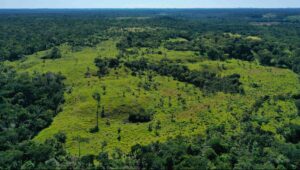
Governments, environmental organizations, and local communities across several regions have launched large-scale tree plantation drives aimed at restoring degraded forest areas and improving ecological balance. The initiatives focus on reforesting lands affected by deforestation, mining, wildfires, and urban expansion.
Millions of saplings, including native and climate-resilient species, are being planted to revive biodiversity, improve soil quality, and enhance water retention. Experts highlight that native trees are essential for supporting local wildlife and maintaining healthy ecosystems. Community participation plays a key role, with volunteers, students, and farmers actively involved in planting and maintaining young trees.
These drives are also designed to combat climate change by increasing carbon absorption and reducing the impact of rising temperatures. Forest restoration helps regulate local climates, prevent soil erosion, and reduce the risk of floods and landslides. In rural areas, restored forests can provide sustainable livelihoods through non-timber forest products and eco-tourism opportunities.
Authorities have emphasized the importance of long-term monitoring and care to ensure sapling survival, noting that plantation efforts must be supported by proper irrigation, protection from grazing, and awareness programs.
Environmental experts say such large-scale afforestation efforts are a positive step toward achieving climate goals and restoring natural habitats, but sustained commitment and responsible land management will be essential for lasting impact.
