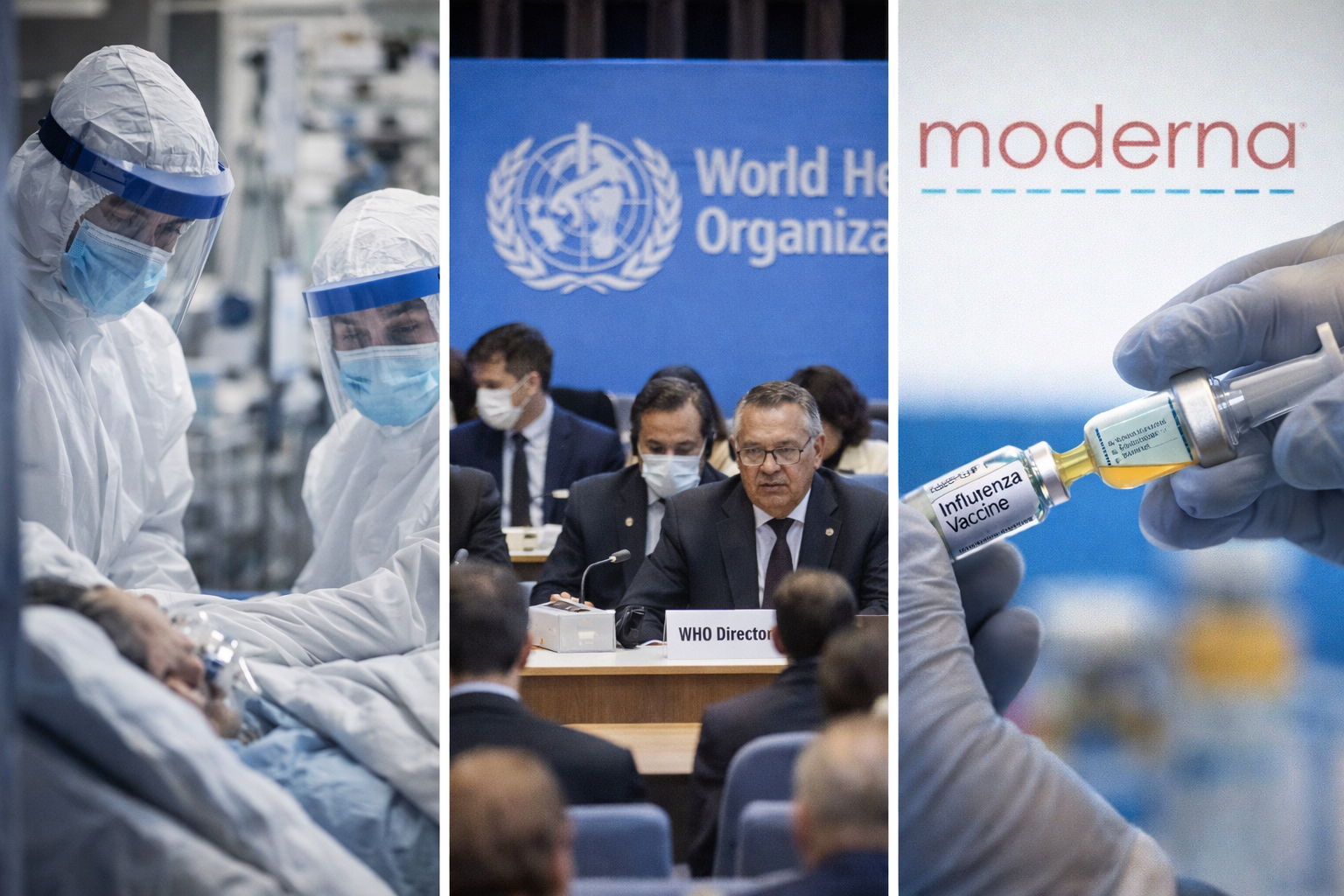
Global health authorities are intensifying efforts to strengthen preparedness and response strategies as new viral strains emerge, prompting heightened surveillance and vaccine development initiatives worldwide. The World Health Organization (WHO) has reported that a newly dominant influenza strain, A(H3N2) sub-clade K, is driving a rapid rise in flu cases across Europe, placing significant pressure on hospitals and health systems in at least 27 countries. The agency has urged increased vaccination coverage and basic preventive measures such as staying home when sick and mask-wearing to curb transmission and protect vulnerable groups like the elderly and those with chronic conditions.
In parallel, the Coalition for Epidemic Preparedness Innovations (CEPI) — a global public-private partnership focused on vaccine research — has announced up to $54.3 million in funding to support Moderna’s mRNA-based pandemic influenza vaccine through pivotal Phase 3 trials. This investment aims to bolster equitable access to pandemic vaccines and shorten response timelines should a novel strain evolve into a global threat.
These developments come amid broader efforts by international health networks and data-sharing platforms to enhance genomic surveillance, improve early detection systems, and coordinate preparedness strategies across borders. Tools like GISAID, which shares viral genetic data globally, are central to tracking mutations and informing vaccine updates.