

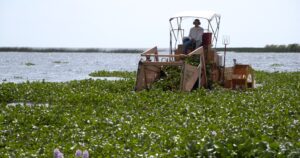
Sirpur Lake, a Ramsar-listed wetland, is witnessing a sharp decline in migratory bird arrivals as invasive water hyacinth continues to choke large portions of the lake. Conservationists estimate that more than half of the migratory birds that once flocked to the site are now skipping it, signaling a serious ecological imbalance.
The unchecked spread of water hyacinth has reduced open water areas essential for feeding and nesting. Thick mats of the invasive plant block sunlight, lower oxygen levels in the water, and disrupt aquatic life, directly affecting the food chain that supports bird populations. Species that depend on fish, insects, and aquatic vegetation are particularly impacted.
Local birdwatchers and environmental groups have expressed concern over the wetland’s declining habitat quality. They warn that if the infestation is not controlled, Sirpur Lake could lose its status as a key wintering ground for migratory birds, undermining years of conservation efforts.
Authorities have acknowledged the problem and are exploring measures such as mechanical removal of hyacinth, biological control methods, and improved water management. Experts stress that sustained intervention, regular monitoring, and community participation are crucial to restore the lake’s ecological balance and protect its rich biodiversity.
