

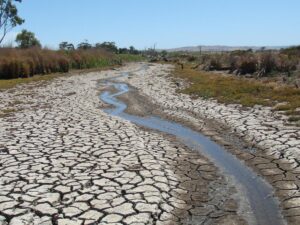
Scientists have reported a significant decline in freshwater levels across several major river basins as prolonged drought conditions continue to strain water resources. Reduced rainfall, higher temperatures, and increased evaporation are limiting river flows, affecting millions of people who rely on these waterways for drinking water, agriculture, and energy production. Experts warn that the situation could worsen if dry conditions persist in the coming months.
The impact of shrinking river levels is already being felt by farming communities, with irrigation systems struggling to meet crop water demands. Hydropower generation has also been affected, as lower water volumes reduce electricity output and increase pressure on alternative energy sources. In urban areas, authorities are preparing for possible water restrictions to manage limited supplies.
Environmental consequences are equally concerning. Lower freshwater levels threaten aquatic ecosystems, disrupt fish migration patterns, and degrade wetland habitats that depend on consistent river flows. Scientists note that biodiversity loss may accelerate if rivers are unable to recover during upcoming wet seasons.
Climate experts link the prolonged droughts to changing climate patterns and emphasize the importance of sustainable water management. Measures such as improved water conservation, efficient irrigation practices, and long-term basin-level planning are being highlighted as critical steps to reduce vulnerability to future water shortages.
