

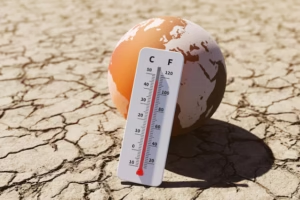
Rising temperatures across several regions have prompted authorities to issue early heatwave warnings, raising concerns about public health, agriculture, and fragile ecosystems. Meteorological departments report that unusually high temperatures are being recorded weeks ahead of the typical summer peak, signaling a shift in seasonal weather patterns.
Health officials warn that prolonged heat exposure can lead to dehydration, heat exhaustion, and heatstroke, particularly among vulnerable groups such as the elderly, children, outdoor workers, and people with pre-existing medical conditions. Hospitals have been advised to prepare for a potential rise in heat-related illnesses, while local governments are urging residents to stay hydrated, avoid direct sunlight during peak hours, and check on at-risk individuals.
The impact extends beyond human health. Rising temperatures are placing stress on water resources, accelerating soil moisture loss, and threatening crop productivity in several agricultural regions. Wildlife experts note that extreme heat disrupts animal behavior, affects breeding cycles, and increases the risk of forest fires, further endangering biodiversity.
Environmental analysts link the early onset of heatwaves to broader climate change trends, emphasizing the need for long-term mitigation and adaptation strategies. Authorities are also calling for coordinated action, including heat action plans, public awareness campaigns, and sustainable urban planning, to reduce the growing risks associated with extreme heat events.

- upgraderz.aws@gmail.com
- upgraderz.aws@gmail.com
- upgraderz.aws@gmail.com
- upgraderz.aws@gmail.com