

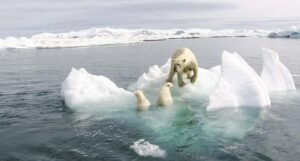
Global warming could push as many as 8,000 plant and animal species toward extinction by the end of the century, according to a major new scientific study that highlights the accelerating impact of climate change on global biodiversity.
The study warns that rising temperatures, shifting rainfall patterns, and more frequent extreme weather events are disrupting ecosystems faster than many species can adapt. Animals and plants that are already vulnerable due to habitat loss, pollution, and overexploitation face the greatest risk. Scientists found that tropical regions, coral reefs, mountain ecosystems, and polar areas are among the most threatened, as species in these environments often have narrow climate tolerances.
Researchers stress that extinction risks increase sharply if global temperatures rise beyond internationally agreed limits. Even moderate warming could lead to widespread population declines, while higher levels of warming may trigger irreversible ecosystem collapse. The loss of biodiversity would not only affect wildlife but also human societies, undermining food security, clean water supplies, and livelihoods that depend on healthy ecosystems.
The authors of the study urge governments to take immediate action by rapidly cutting greenhouse gas emissions, protecting natural habitats, and investing in conservation programs. They emphasize that decisive action this decade could still prevent the worst outcomes, while delays would significantly increase the number of species lost forever.
