

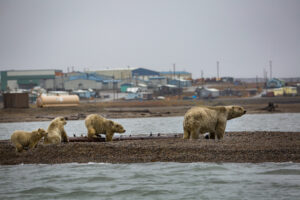
Debate is escalating in Alaska as climate change and a proposed industrial access road collide, raising concerns for some of the Arctic’s most fragile ecosystems. The 211-mile Ambler Road project—intended to connect remote mineral deposits with the state’s highway network—has become a flashpoint between mining interests, Indigenous communities, and conservation groups.
Supporters argue the road would unlock valuable deposits of copper and other critical minerals needed for renewable energy technologies. They say the project could bring jobs and economic growth to northwest Alaska, where employment opportunities remain limited.
Opponents warn that warming temperatures and thinning permafrost are already destabilizing landscapes, and a major transportation corridor would accelerate ecological disruption. Scientists note that the region is experiencing some of the fastest warming on the planet, leading to shifting wildlife migration routes, drying wetlands, and increased wildfire risk. They fear the road could further fragment habitat for caribou, wolves, and migratory birds while increasing the likelihood of pollution and long-term damage.
Several Alaska Native communities remain divided, with some supporting potential economic benefits and others concerned about impacts on subsistence hunting and cultural traditions.
Federal agencies are currently reviewing updated environmental analyses, and the decision is expected to shape the future of development across Arctic Alaska.
