

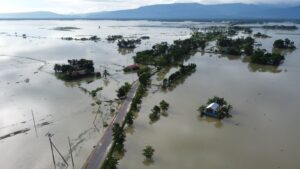
Rising ocean temperatures have intensified rainfall and triggered deadly floods across several parts of Southeast Asia, according to new climate assessments released this week. Scientists say unusually warm waters in the western Pacific and Indian Oceans have added significant moisture to the atmosphere, fueling extreme downpours that overwhelmed communities from Indonesia to Malaysia and southern Thailand.
Over the past month, persistent storms have inundated cities, submerged farmlands, and displaced tens of thousands of residents. Emergency officials report widespread infrastructure damage as rivers burst their banks and landslides cut off transportation routes. In some regions, rainfall levels reached more than double the seasonal average, leaving authorities struggling to coordinate rescue and relief operations.
Climate researchers emphasize that ocean warming—driven by human-caused greenhouse gas emissions—is a major factor behind the increased severity of these events. Warmer sea surfaces evaporate more water, loading storm systems with greater energy and producing heavier, more prolonged rainfall. Experts warn that without rapid global action to curb emissions, Southeast Asia could face even more frequent and intense flooding in the coming decades.
Governments across the region are now calling for stronger adaptation strategies, including improved drainage systems, early-warning technologies, and long-term climate resilience planning to protect vulnerable communities.
