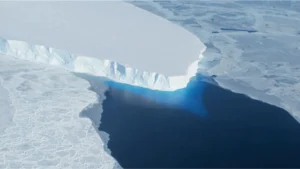
A new warning from climate scientists indicates that global sea levels may rise faster than previously projected, as fresh data reveals a rapid acceleration in the melting of the Antarctic ice sheet. Research teams monitoring the region report that warmer ocean currents and rising atmospheric temperatures are destabilizing key glaciers, including those considered critical to maintaining Antarctic ice stability.
According to recent observational studies, several major glaciers in West Antarctica are retreating at unprecedented rates. The thinning and collapse of these ice shelves—which act as natural barriers holding back inland ice—could lead to large volumes of ice flowing into the ocean. Scientists note that this process may trigger a chain reaction, causing long-term and irreversible changes in global sea levels.
The potential impact is far-reaching. Current climate models estimate sea-level rise between 0.5 and 1 meter by the end of the century, but accelerated Antarctic melt could push those numbers significantly higher. Low-lying coastal cities, island nations, and vulnerable communities may face increased risks of flooding, storm surges, and coastal erosion. Global infrastructure, including ports, housing, and freshwater supplies, may also be severely affected.
Researchers emphasize that the latest findings are a major signal for policymakers to strengthen climate mitigation and adaptation plans. Reducing global greenhouse gas emissions, investing in coastal resilience, and improving long-term climate monitoring systems have become more urgent than ever.
Scientists stress that while some level of sea-level rise is now inevitable, the worst outcomes can still be avoided if decisive global action is taken. The findings underscore a critical window of opportunity to address climate change before tipping points are surpassed.