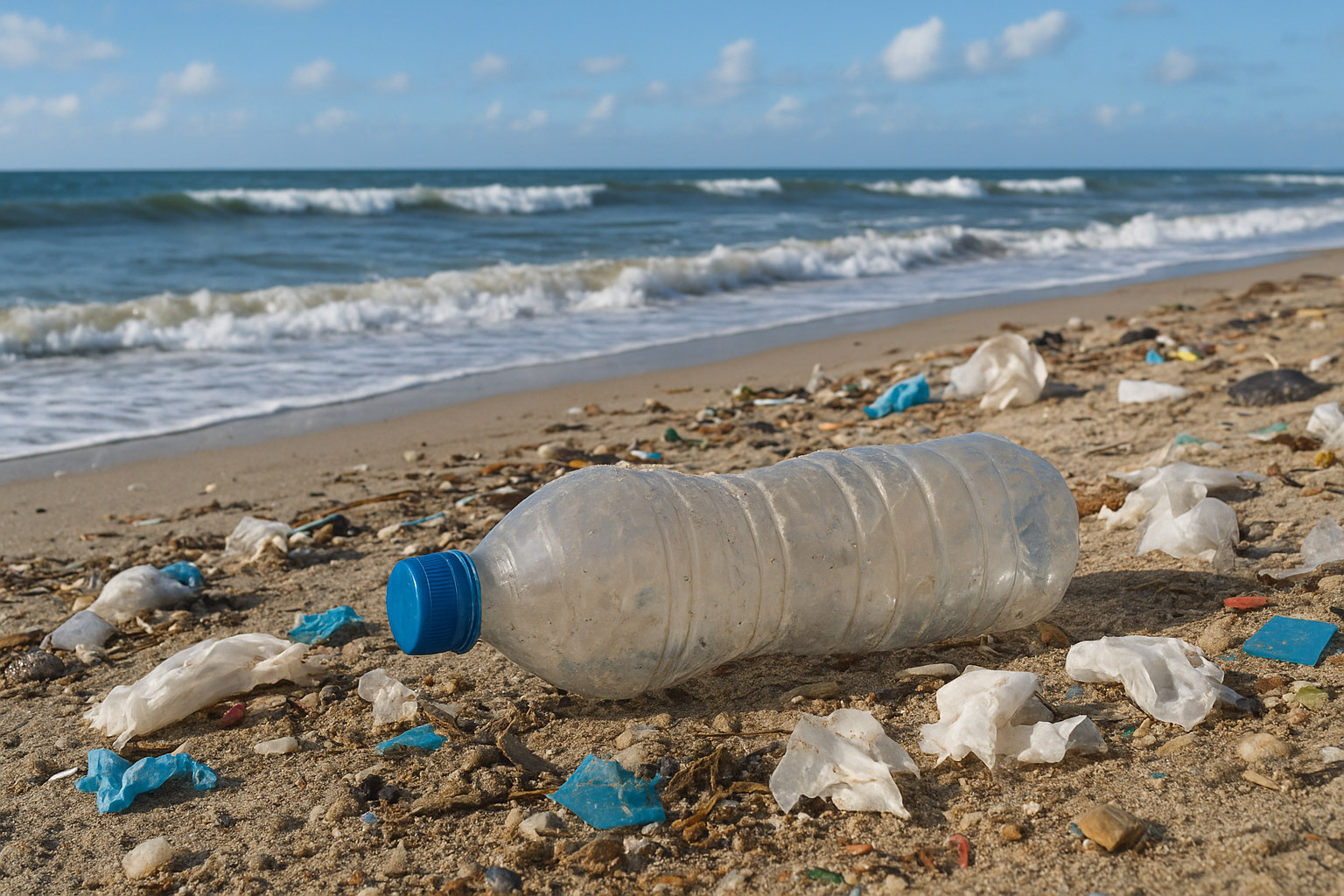
Despite ambition and years of negotiations, the proposed global treaty to curb plastic pollution — especially in the oceans — remains unsigned, after the most recent round of talks failed to deliver a binding agreement.
In August 2025, the Intergovernmental Negotiating Committee on Plastic Pollution (INC-5.2), convened in Geneva to finalise the text of an international legally binding instrument against plastic pollution. But after 10 days of intensive negotiations — involving more than 140 countries and representatives of NGOs, civil society and industry — key issues such as limits on plastic production, bans on certain chemicals in plastics, and a robust finance and implementation mechanism could not be resolved.
The result: no treaty was adopted, and discussions have been postponed — leaving the fate of what many described as a “once-in-a-generation opportunity” in limbo. While the call for global, legally binding plastics regulation remains urgent, the lack of consensus underscores the deep divisions among nations — especially over plastic production, economic priorities and environmental responsibility.
If you like, I can check and summarise three recent credible proposals or initiatives underway now — which may become the actual instrument to curb plastic pollution — to show what might still happen.