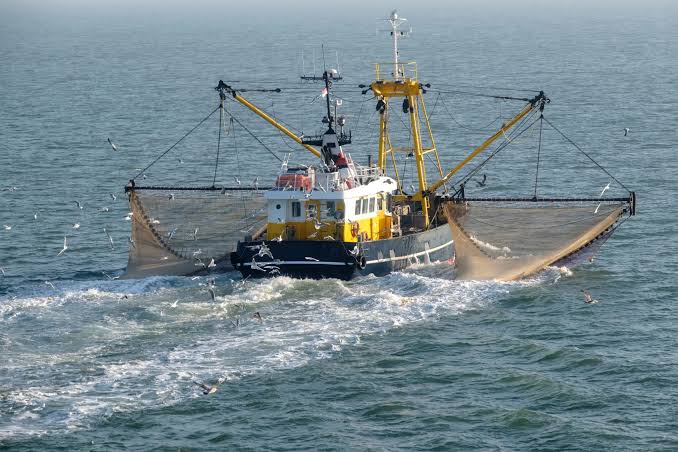
A new environmental report has called for stronger restrictions on bottom trawling, warning that the fishing method is causing widespread damage to marine wildlife and fragile seabed ecosystems. Bottom trawling involves dragging large, weighted nets across the ocean floor to catch fish and shellfish. While it is widely used by commercial fisheries, conservation experts say the practice destroys sensitive habitats, stirs up seabed sediments, and unintentionally captures non-target species such as porpoises, puffins, and other marine animals.
The report highlights that underwater ecosystems, including coral gardens, sponge fields, and seagrass habitats, can take decades or even centuries to recover from repeated trawling. Scientists warn that these habitats provide essential breeding, feeding, and shelter areas for many fish species, making their protection vital for long-term ocean health and sustainable fisheries.
Conservation groups are urging governments to expand marine protected areas where bottom trawling is prohibited and to adopt more sustainable fishing practices. They argue that protecting vulnerable marine ecosystems will not only help preserve biodiversity but also improve the resilience of fish populations and coastal economies that depend on healthy oceans.
Researchers emphasize that balancing seafood production with ecosystem conservation is essential as nations work toward global biodiversity and ocean protection goals. Stronger regulations, improved monitoring, and international cooperation are seen as key steps to safeguarding marine life for future generations.
News as reported