

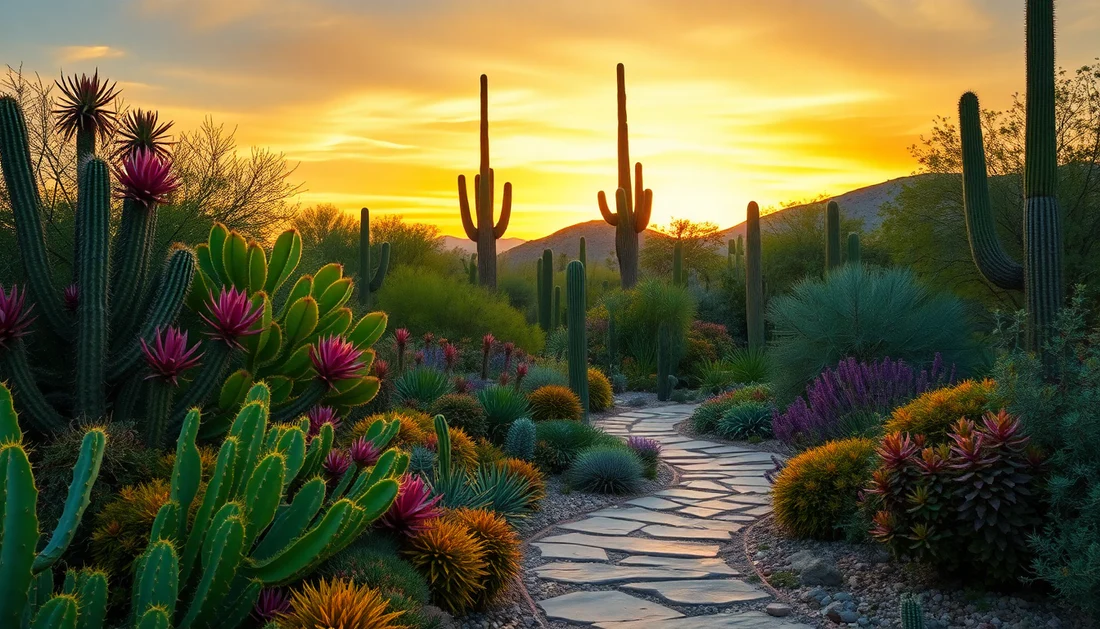
Desert greening projects are gaining momentum across several parts of the world, turning once-barren landscapes into productive and sustainable ecosystems. From large-scale tree planting drives to innovative water management techniques, these initiatives aim to restore degraded land, improve soil fertility, and support local livelihoods.
In regions like Saudi Arabia and China, ambitious programs are using drought-resistant plants, drip irrigation, and soil conditioning methods to combat desertification. Techniques such as rainwater harvesting, mulching, and the use of organic compost are helping retain moisture and gradually revive the land. In some areas, native vegetation is being reintroduced to rebuild natural ecosystems and support wildlife.
These projects are not only improving agricultural productivity but also contributing to climate change mitigation by capturing carbon and reducing dust storms. Local communities are increasingly involved, benefiting from new income sources and improved environmental conditions.
However, experts note that long-term success depends on careful planning, sustainable water use, and continuous monitoring. While challenges remain, the expansion of desert greening efforts offers a promising pathway to restore fragile environments and create resilient landscapes for the future. News as reported
