

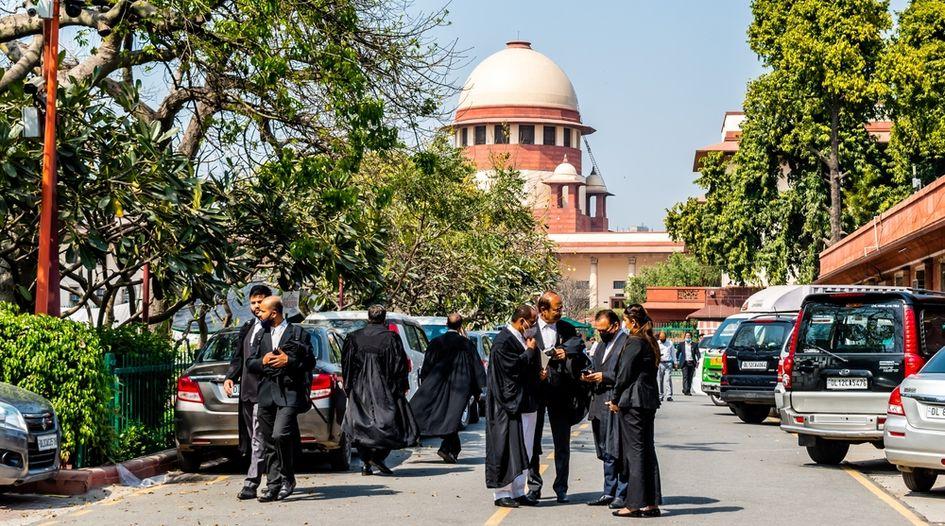
The Supreme Court of India is currently examining a series of significant legal challenges linked to recent national policy reforms, reflecting the judiciary’s crucial role in upholding constitutional principles. These cases involve petitions questioning the legality, fairness, and implementation of various government initiatives across sectors such as economic regulation, social welfare, and administrative restructuring.
At the core of these proceedings is the interpretation of the Constitution of India, particularly with regard to fundamental rights, federal balance, and the separation of powers. Petitioners have raised concerns over whether certain reforms may infringe on individual freedoms or exceed the authority granted to the executive branch. In response, the government has defended its policies as necessary steps toward national development and improved governance.
A bench of senior judges is carefully reviewing arguments from both sides, emphasizing the need for transparency, accountability, and adherence to due process. Legal experts note that the court’s decisions in these cases could set important precedents, shaping how future reforms are designed and implemented. The proceedings also highlight the dynamic interaction between the judiciary and the legislature in a democratic system.
As hearings continue, the outcomes are expected to have far-reaching implications for public policy and governance in India. The Supreme Court’s role in resolving these complex issues reinforces its position as a guardian of constitutional values while balancing the demands of progress and justice in a rapidly evolving socio-economic landscape news as reported.


- upgraderz.aws@gmail.com
- upgraderz.aws@gmail.com
- upgraderz.aws@gmail.com
- upgraderz.aws@gmail.com