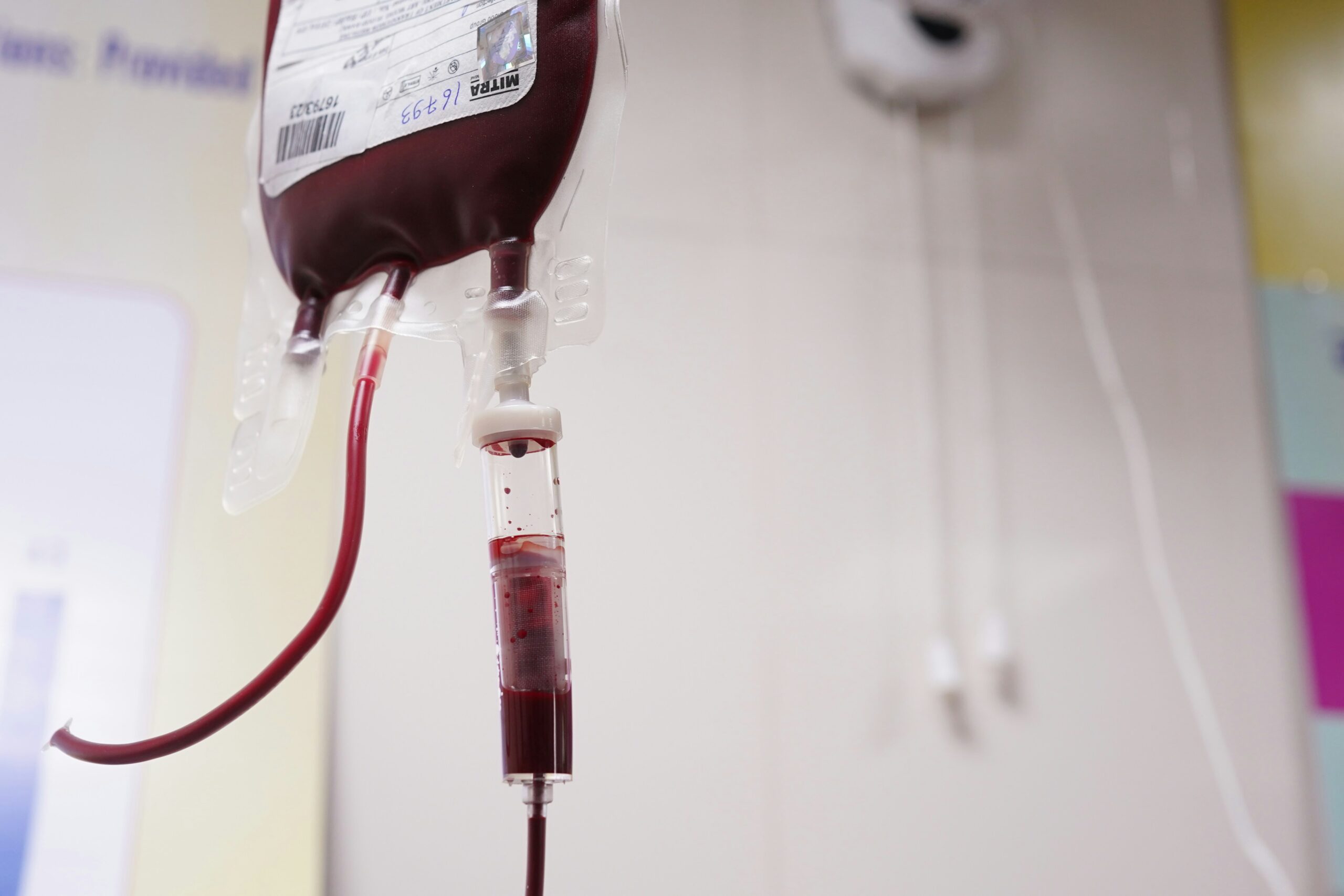
Bengaluru is facing a serious blood shortage crisis, with voluntary donations dropping by nearly 50% in recent years. Health experts attribute this decline largely to lifestyle changes following the COVID-19 pandemic.
Earlier, colleges and corporate offices played a major role in organizing blood donation camps. However, with work-from-home culture and reduced campus activity, participation has significantly decreased. Camps that once collected 250–300 units now often struggle to gather even 20–30 units.
Another factor is changing attitudes among young people. Many fitness-conscious individuals avoid donating blood due to concerns about physical performance, despite medical experts confirming that donation is generally safe.
Additionally, health issues such as low haemoglobin levels and rising hypertension cases have reduced the number of eligible donors, especially among women.
The shortage has created serious challenges for hospitals, which rely on a steady blood supply for surgeries and emergency treatments. In some cases, desperate families have fallen victim to scams where fraudsters promise donors in exchange for money but disappear afterward.
Authorities are urging citizens to participate in donation drives and are planning awareness campaigns to address misconceptions about blood donation.
This issue highlights how post-pandemic lifestyle shifts can have unexpected impacts on essential healthcare systems.
News as reported