

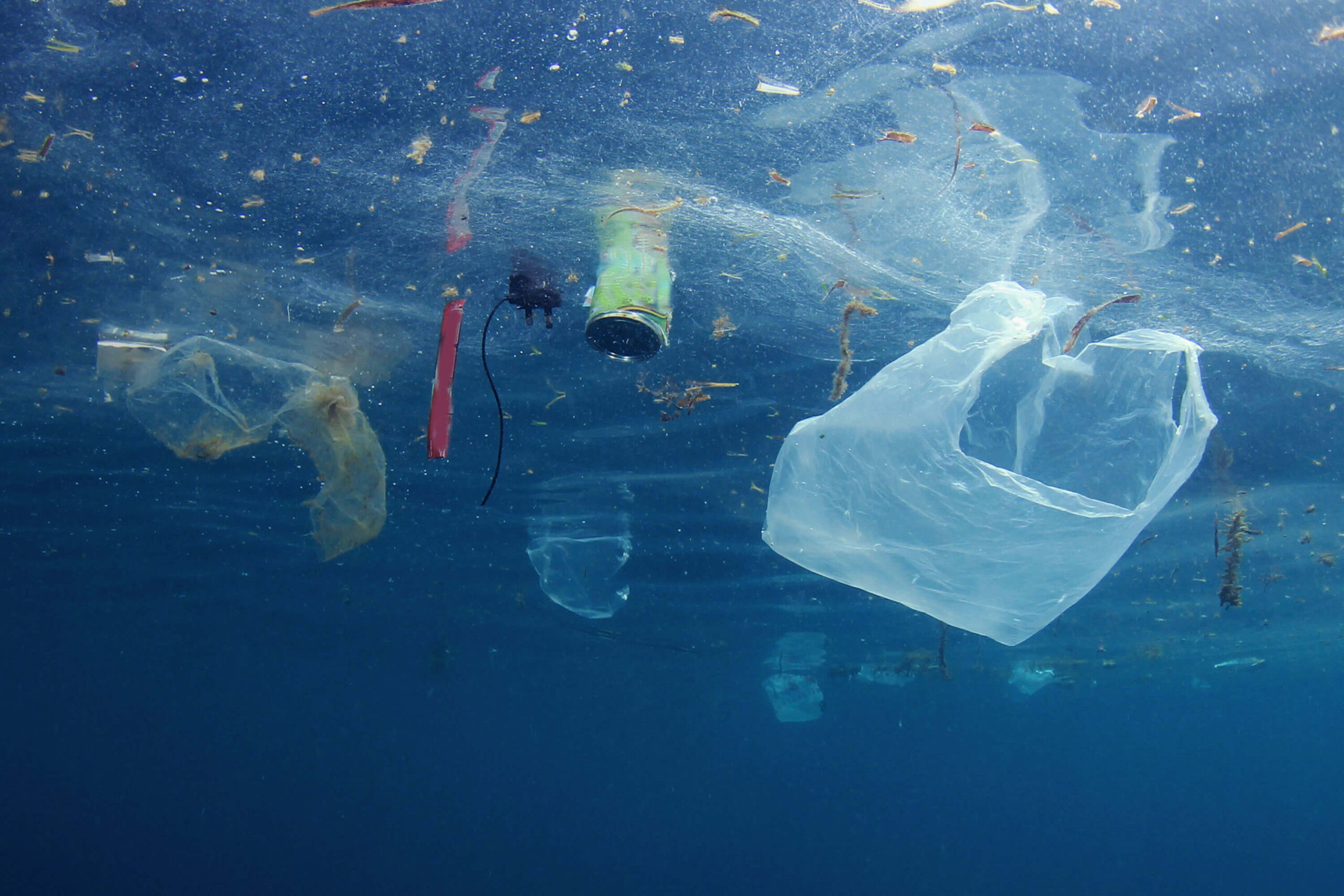
Governments around the world are intensifying efforts to curb plastic pollution by introducing stricter bans and regulations on single-use plastics. The move comes amid growing concerns over the environmental impact of plastic waste, particularly in oceans and urban ecosystems.
Environmental experts warn that unchecked plastic consumption is contributing significantly to land and marine pollution, harming wildlife and entering the human food chain in the form of microplastics. Organizations such as the United Nations Environment Programme have repeatedly called for urgent global action to address the crisis.
Countries including India have already implemented bans on select single-use plastic items, while others are introducing phased restrictions, improved recycling systems, and extended producer responsibility policies. These measures aim to reduce plastic production and encourage sustainable alternatives.
However, challenges remain in enforcement, public awareness, and the availability of affordable eco-friendly substitutes. Small businesses and informal sectors, in particular, face difficulties adapting to new regulations.
Experts stress that policy changes must be supported by public participation, innovation in biodegradable materials, and stronger waste management infrastructure. Without coordinated efforts, plastic pollution is expected to worsen, threatening ecosystems, public health, and long-term environmental sustainability.
The push for stricter plastic bans reflects a growing global commitment to tackling one of the most pressing environmental challenges of our time. News as reported

- upgraderz.aws@gmail.com
- upgraderz.aws@gmail.com
- upgraderz.aws@gmail.com
- upgraderz.aws@gmail.com