

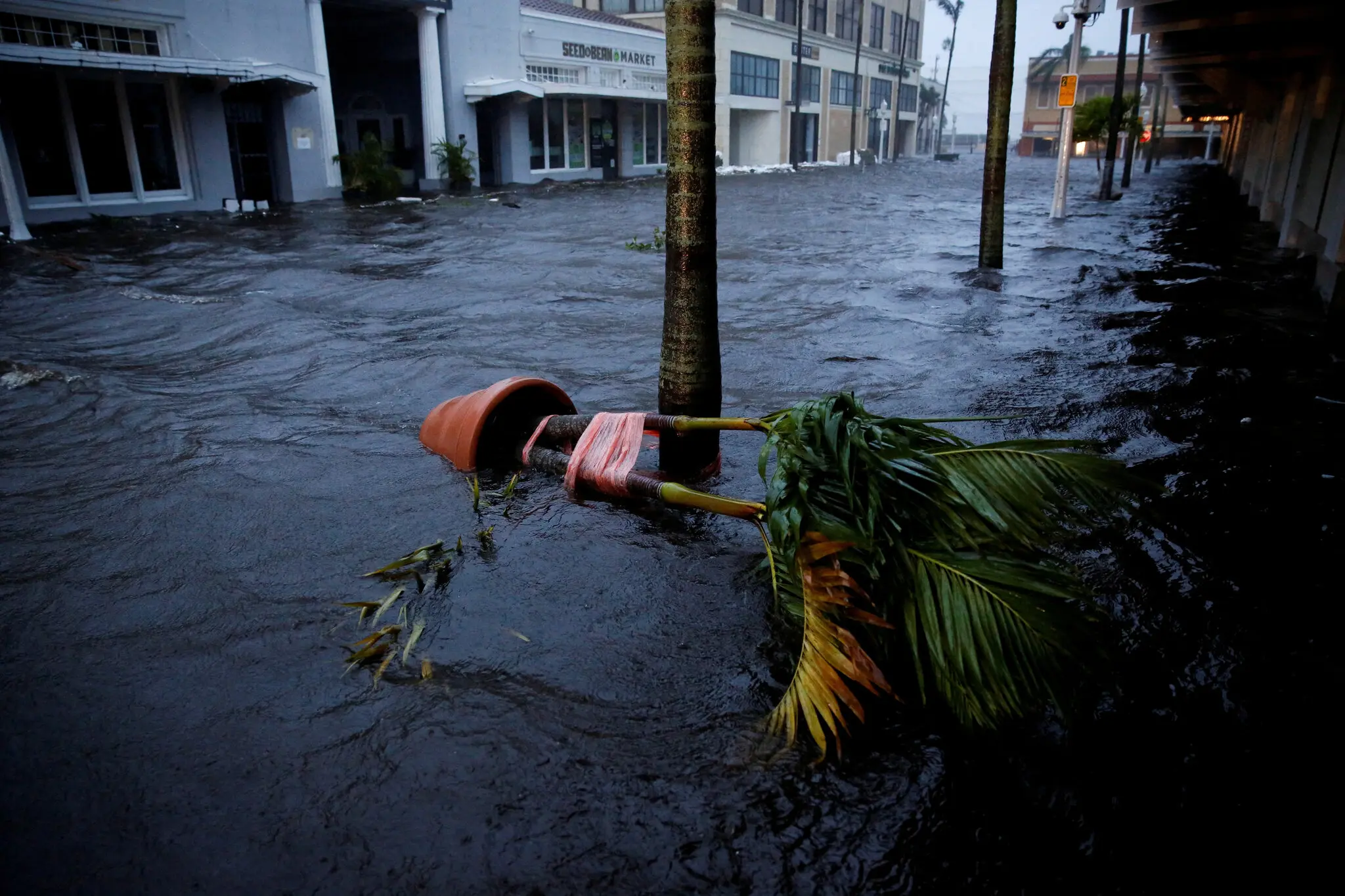
A sharp rise in extreme weather events across the globe is increasingly impacting agriculture and livelihoods, raising serious concerns among scientists and policymakers. From prolonged droughts and intense heatwaves to floods and cyclones, the frequency and severity of such events have been linked to climate change.
Experts note that shifting weather patterns are disrupting traditional farming cycles, leading to crop failures and reduced yields. Regions heavily dependent on rainfall are particularly vulnerable, as unpredictable monsoons and extended dry periods make agricultural planning more difficult.
Farmers in many parts of India, Africa, and Southeast Asia are already experiencing economic strain due to declining productivity and increased input costs. In addition, extreme weather is damaging infrastructure, displacing communities, and affecting food supply chains.
According to global agencies like the World Meteorological Organization, these trends are expected to intensify unless significant steps are taken to reduce greenhouse gas emissions and strengthen climate resilience.
Experts emphasize the need for adaptive strategies such as climate-resilient crops, improved irrigation systems, and early warning mechanisms. Strengthening disaster preparedness and sustainable land management practices will also be crucial in mitigating the long-term impacts.
The growing pattern of extreme weather highlights the urgent need for coordinated global action to protect vulnerable communities and ensure food security in a rapidly changing climate. News as reported

- upgraderz.aws@gmail.com
- upgraderz.aws@gmail.com
- upgraderz.aws@gmail.com
- upgraderz.aws@gmail.com