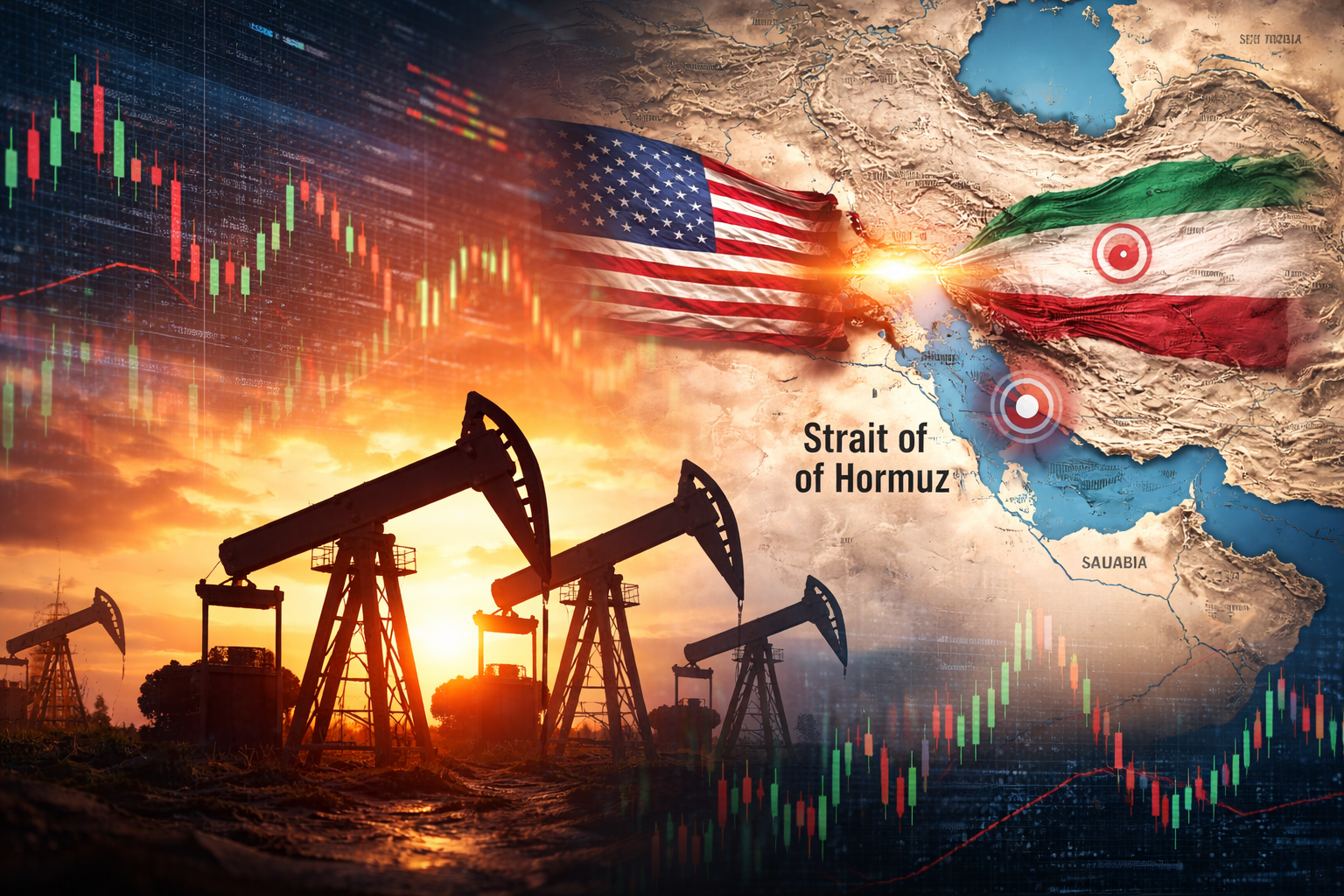
A temporary ceasefire between the United States and Iran has eased immediate fears of escalation in the Middle East, but analysts warn the agreement remains fragile and could still affect global energy markets and geopolitical stability. The short-term truce has reduced tensions slightly, yet uncertainty around the durability of the agreement continues to influence oil prices and investor sentiment worldwide.
The ceasefire includes efforts to stabilize shipping through the Strait of Hormuz, one of the world’s most critical energy corridors. Nearly 20% of global oil and liquefied natural gas shipments pass through the narrow waterway, making any disruption a major risk to global energy supply chains.
Financial markets initially reacted positively to the truce, with stocks rising and crude oil prices dropping as traders anticipated a possible normalization of energy flows. However, experts caution that the ceasefire is only a temporary pause and deeper geopolitical disagreements remain unresolved, leaving markets vulnerable to renewed volatility.
Energy analysts say the conflict has already disrupted parts of the global liquefied natural gas market and undermined confidence in supply reliability from the Gulf region. Even with a ceasefire in place, the aftermath of the conflict may continue to influence investment decisions and fuel prices worldwide.
With diplomatic negotiations ongoing, global leaders and investors are closely monitoring developments. Any breakdown in the ceasefire could quickly escalate tensions again, potentially triggering new spikes in oil prices and further geopolitical instability.News as Reported.