

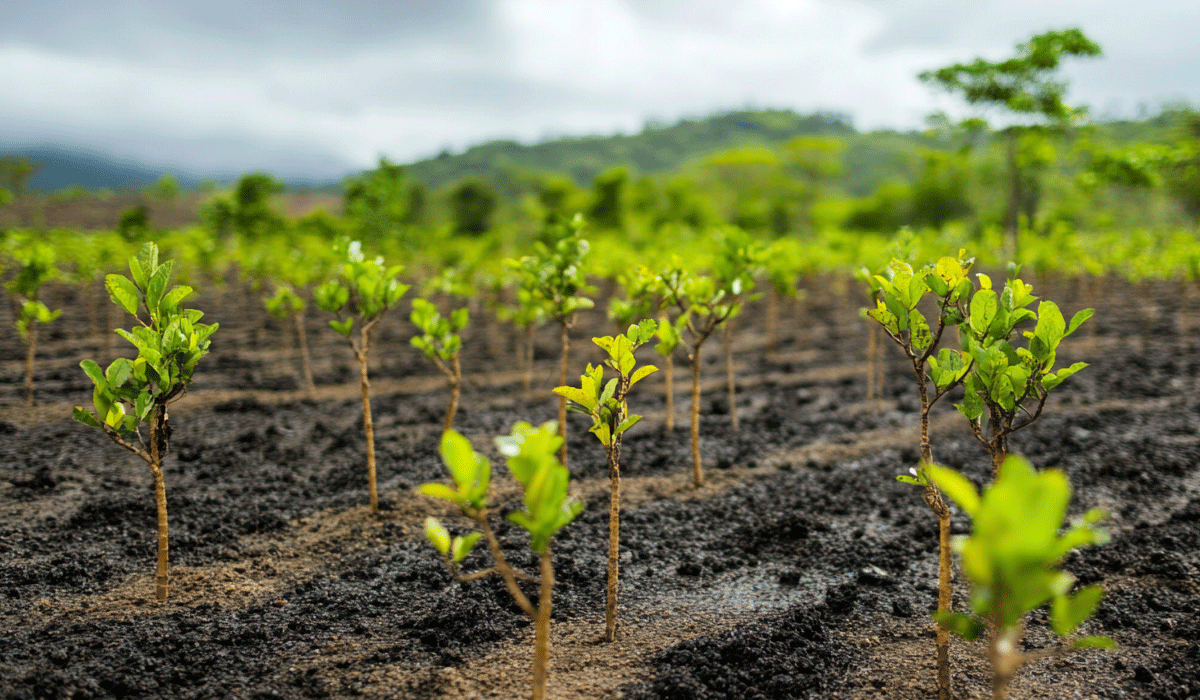
A series of new conservation initiatives have been launched across multiple regions to restore degraded forest lands and revive biodiversity. Governments, environmental organizations, and local communities are collaborating to rehabilitate areas affected by deforestation, unsustainable land use, and climate change.
The projects focus on reforestation using native tree species, soil restoration, and protection of existing vegetation. Experts emphasize that restoring natural ecosystems not only helps rebuild wildlife habitats but also improves soil health, enhances water retention, and increases carbon sequestration, contributing to climate change mitigation.
Community participation is a key component of these efforts, with local populations involved in planting, monitoring, and sustainable forest management practices. This approach aims to create long-term environmental and economic benefits, including improved livelihoods through eco-friendly activities such as agroforestry and sustainable harvesting.
In addition, modern technologies like satellite monitoring and data-driven planning are being used to track progress and ensure effective implementation. Conservationists highlight that restoring degraded forests is essential for maintaining ecological balance and supporting global biodiversity.
These initiatives mark a significant step toward reversing environmental damage and building resilience against future climate challenges. News a reported
