

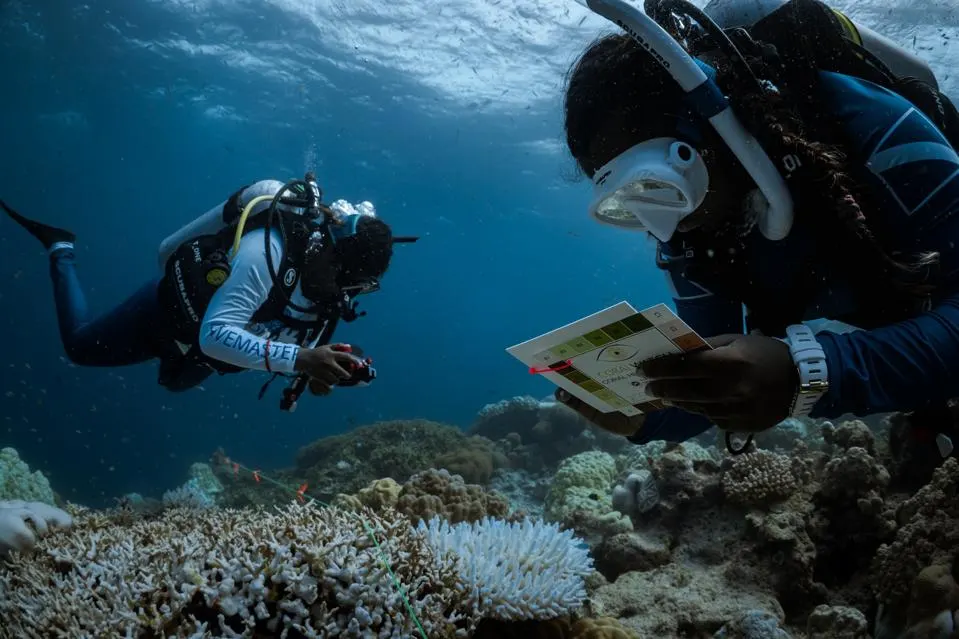
Scientists have identified new coral reef zones that could play a crucial role in restoring damaged marine ecosystems, offering a rare glimmer of hope amid growing climate concerns. These areas, often referred to as “climate refugia,” are regions where corals are better able to survive rising ocean temperatures and environmental stress.
Recent studies show that certain reef zones experience less extreme temperature fluctuations, allowing corals to resist mass bleaching events that have devastated reefs worldwide. Researchers emphasize that these zones could act as natural sanctuaries, helping coral populations recover and repopulate surrounding degraded areas.
However, scientists caution that many of these promising reef zones are under threat from human activities such as pollution, coastal development, and overfishing. These local pressures can weaken the resilience of coral ecosystems, reducing their ability to function as safe havens.
Encouragingly, experts note that reducing local environmental damage could significantly expand the effectiveness of these refuges. Protecting such areas, along with global efforts to curb climate change, may improve the long-term survival prospects of coral reefs.
With coral reefs supporting vast marine biodiversity and millions of livelihoods worldwide, the discovery of these resilient zones provides renewed optimism for conservation strategies and future restoration efforts. News as reported