

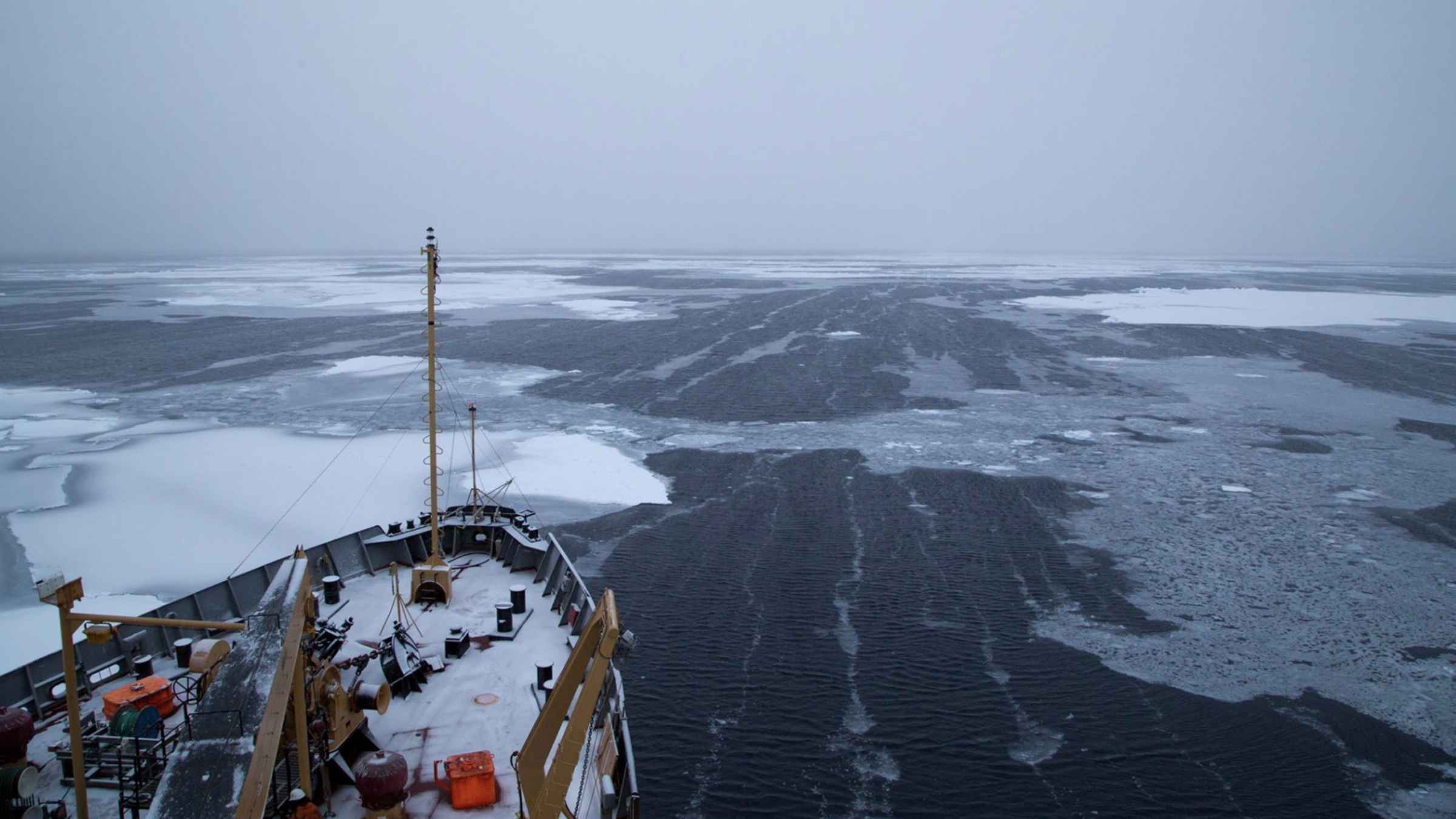
Arctic sea ice levels have recorded an alarming decline, raising fresh concerns among scientists about the accelerating impacts of global warming. Recent observations indicate that the Arctic’s winter sea ice extent in 2026 has matched one of the lowest levels ever recorded since satellite monitoring began in 1979.
Data shows that the ice reached its annual peak in mid-March, but remained significantly below historical averages. In fact, measurements from late March revealed the lowest ice extent ever recorded for this time of year, highlighting a sharp deviation from long-term climate patterns.
Experts attribute this decline primarily to rising global temperatures, which are reducing the formation of new ice and accelerating the melting of older, thicker ice. Over time, this has led to a dominance of thinner, first-year ice that is more vulnerable to seasonal warming.
The shrinking Arctic ice cover has far-reaching consequences. It reduces the Earth’s ability to reflect sunlight, leading to further warming, and disrupts global weather systems. Scientists warn that this trend could intensify extreme weather events, impact marine ecosystems, and contribute to rising sea levels.
As the Arctic continues to warm faster than most regions on Earth, researchers emphasize the urgent need for global climate action to slow down ice loss and protect fragile polar ecosystems. News as reported

- upgraderz.aws@gmail.com
- upgraderz.aws@gmail.com
- upgraderz.aws@gmail.com
- upgraderz.aws@gmail.com