

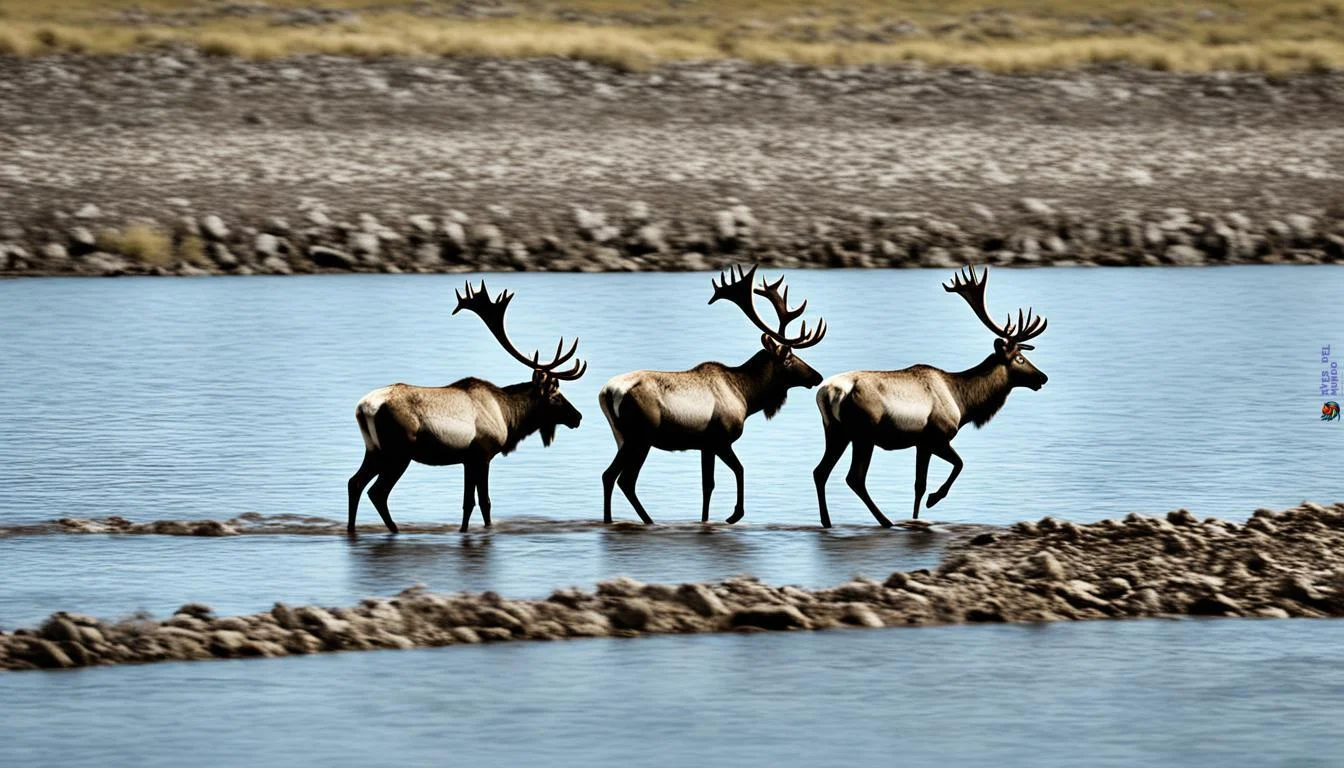
Changing climate conditions are significantly altering wildlife migration patterns across the globe, raising concerns among scientists and conservationists. Rising temperatures, shifting rainfall patterns, and habitat changes are forcing many species to adjust the timing, routes, and destinations of their seasonal movements.
Birds, marine species, and land animals are increasingly migrating earlier or traveling farther in search of suitable habitats and food sources. In some cases, traditional migration routes are being abandoned altogether, leading to disruptions in ecosystems that rely on these movements for balance. For instance, mismatches between migration timing and food availability can affect breeding success and survival rates.
Marine species are also responding to warming oceans by moving toward cooler waters, impacting fisheries and coastal economies. On land, habitat fragmentation combined with climate stress is making migration more difficult, increasing the risk of population decline for several species.
Experts warn that these shifts could have cascading effects on biodiversity, ecosystem stability, and human livelihoods. Conservation strategies are now focusing on creating wildlife corridors, protecting critical habitats, and improving climate resilience.
As climate change continues to reshape natural systems, understanding and adapting to shifting migration patterns will be essential to safeguarding global biodiversity and maintaining ecological balance. News as reported

- upgraderz.aws@gmail.com
- upgraderz.aws@gmail.com
- upgraderz.aws@gmail.com
- upgraderz.aws@gmail.com