

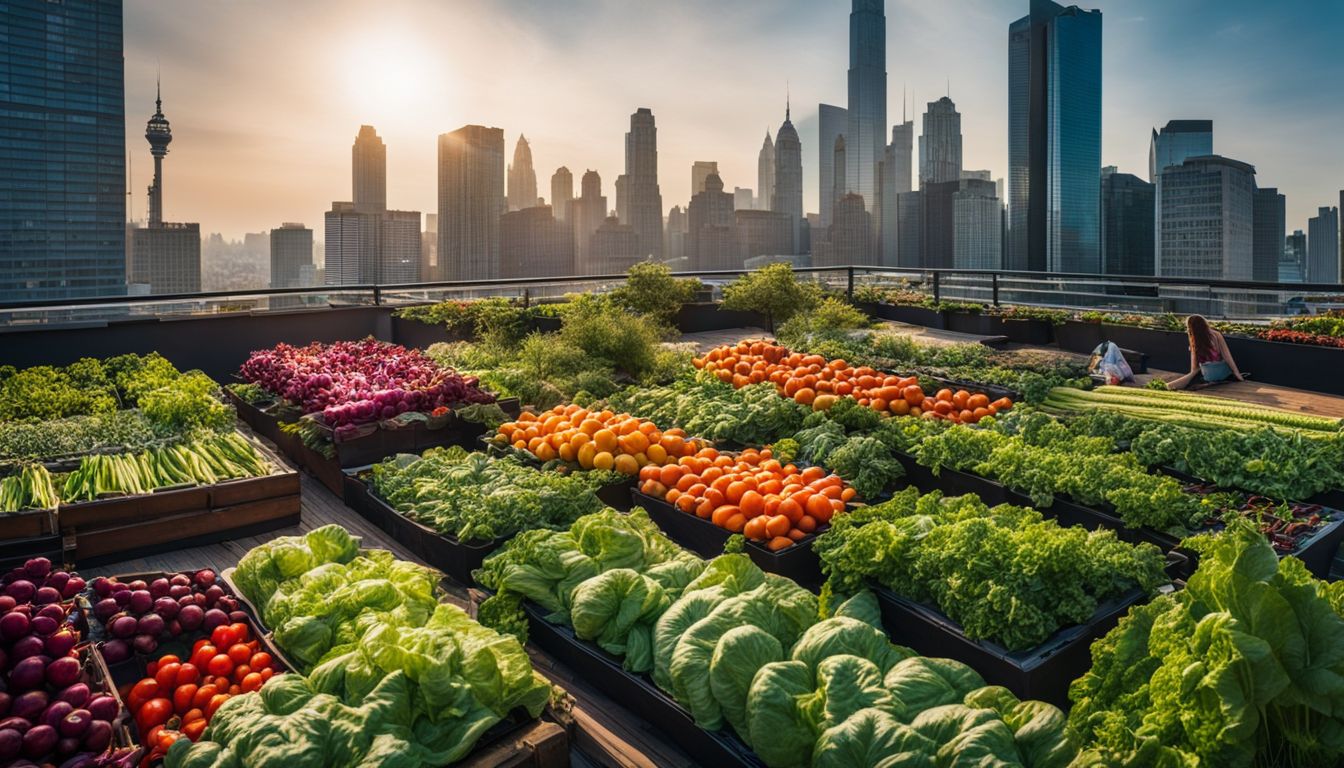
Urban farming is rapidly emerging as a key solution to sustainable food production, as cities adopt innovative methods to grow fresh produce closer to consumers. With rising concerns over food security, climate change, and supply chain disruptions, urban agriculture is reshaping how food is cultivated and distributed.
Techniques such as vertical farming, hydroponics, and rooftop gardening are gaining popularity in densely populated areas. These methods require less land and water compared to traditional farming, while also reducing the need for long-distance transportation. As a result, they help lower carbon emissions and ensure fresher produce reaches urban populations.
Cities around the world are integrating urban farms into residential and commercial spaces, turning unused rooftops, warehouses, and vacant lots into productive green hubs. Community-led initiatives are also playing a crucial role, promoting local food systems and encouraging sustainable lifestyles.
Experts highlight that urban farming not only enhances food resilience but also contributes to improved air quality, urban biodiversity, and climate adaptation. Additionally, it creates employment opportunities and strengthens community engagement.
While challenges such as high initial costs and technical expertise remain, continued innovation and policy support are helping overcome these barriers. As urban populations grow, sustainable farming within cities is set to play an increasingly vital role in feeding the future. News as reported

- upgraderz.aws@gmail.com
- upgraderz.aws@gmail.com
- upgraderz.aws@gmail.com
- upgraderz.aws@gmail.com