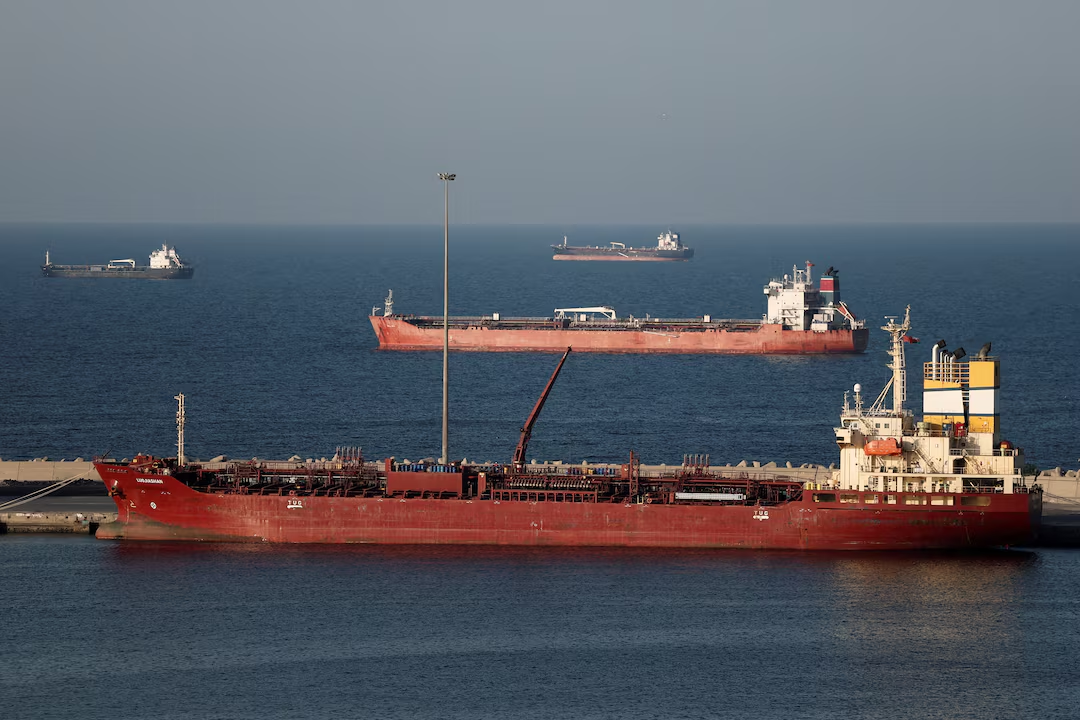
Global oil prices have surged sharply as escalating conflict in the Middle East threatens critical shipping routes used for transporting energy supplies around the world. Rising tensions involving Iran and its regional rivals have raised fears that key maritime corridors could face prolonged disruption.
Benchmark crude prices have climbed significantly, with Brent crude approaching $115–$116 per barrel, while U.S. crude has also jumped above $100 amid growing supply concerns. Analysts say the spike reflects worries that conflict-related disruptions could reduce oil exports from the Gulf region.
Much of the concern centers on the Strait of Hormuz, a narrow waterway connecting the Persian Gulf with the Gulf of Oman. The route normally carries around one-fifth of the world’s oil supply, making it one of the most important energy corridors globally.
Recent attacks on ships and warnings from regional military forces have led to a sharp drop in tanker traffic, with many shipping companies delaying voyages or rerouting vessels to avoid the conflict zone. Some energy firms and refiners have also begun reducing operations due to uncertainty surrounding supply deliveries.
Economic institutions warn that sustained disruption could have widespread global effects. The International Monetary Fund cautioned that higher oil and gas prices may drive inflation, slow economic growth, and increase financial pressure on energy-importing nations.
Energy analysts say the situation remains highly volatile, and oil markets are likely to stay sensitive to developments in the region. Any further escalation or extended closure of key shipping lanes could push prices even higher and intensify pressure on the global economy.News as Reported.