

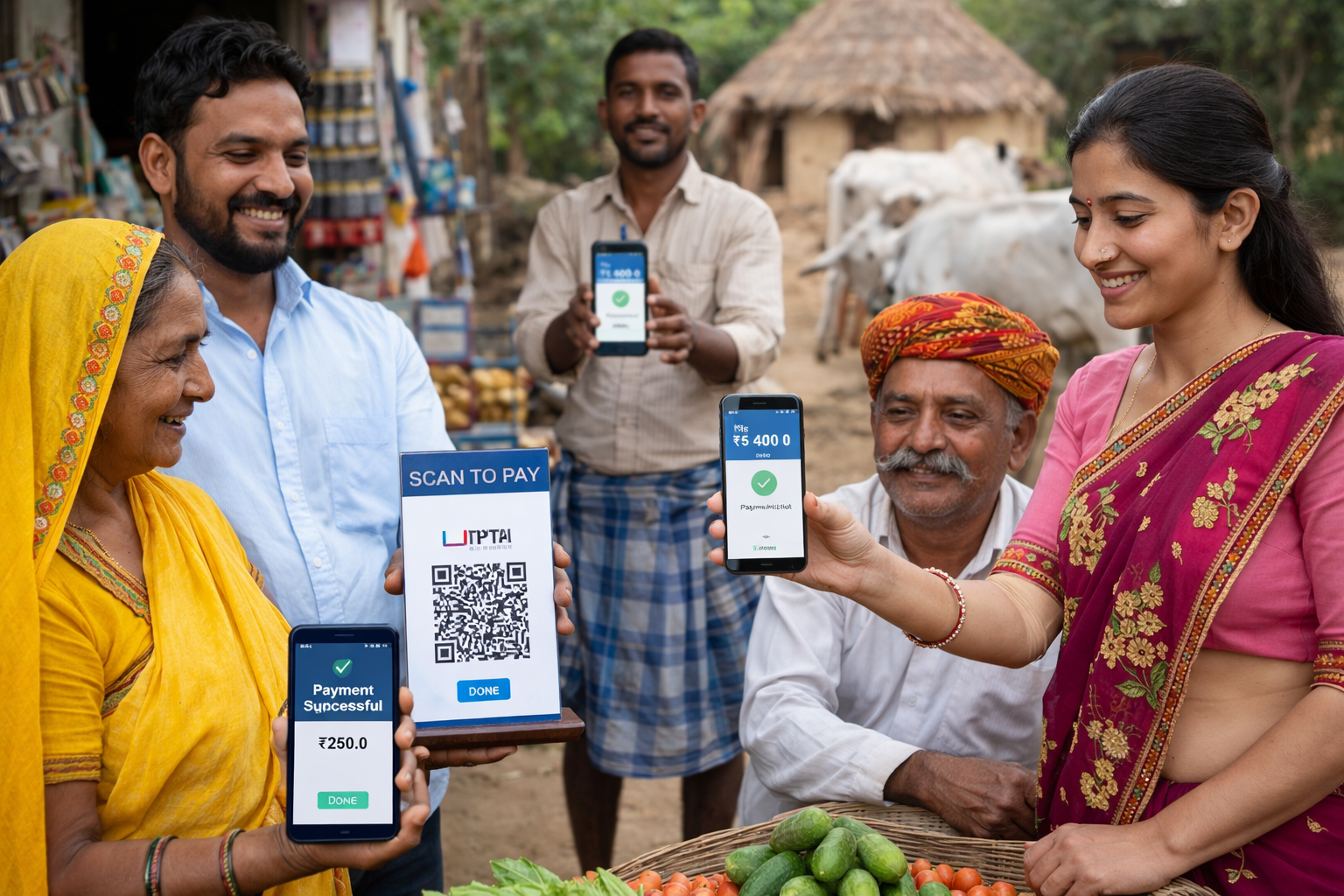
Digital payment usage in India has reached unprecedented levels, driven by rapid adoption in rural and semi-urban regions. The expansion of internet connectivity, affordable smartphones, and government-led initiatives has significantly transformed the country’s payment landscape. Platforms such as UPI, mobile wallets, and banking apps are now widely used beyond urban centers, enabling seamless and cashless transactions.
The growth is largely fueled by increased awareness, ease of use, and trust in secure digital systems. Small businesses, local vendors, and even daily wage workers are embracing QR code-based payments, reducing dependency on cash. Government programs promoting financial inclusion and digital literacy have also played a crucial role in encouraging people to adopt modern payment methods.
In rural areas, digital payments are improving access to financial services, allowing users to transfer money, pay bills, and receive government benefits directly into their accounts. This has minimized delays and increased transparency in transactions. Additionally, the rise of fintech companies and regional language interfaces has made digital platforms more user-friendly for diverse populations.
The continued growth of digital payments is expected to strengthen India’s economy by increasing transaction efficiency and reducing informal cash flows. As technology continues to evolve, further innovations in digital finance are likely to enhance accessibility and security. This shift marks a significant step toward a digitally empowered society, bridging the gap between urban and rural economies while promoting inclusive economic development news as reported.


- upgraderz.aws@gmail.com
- upgraderz.aws@gmail.com
- upgraderz.aws@gmail.com
- upgraderz.aws@gmail.com