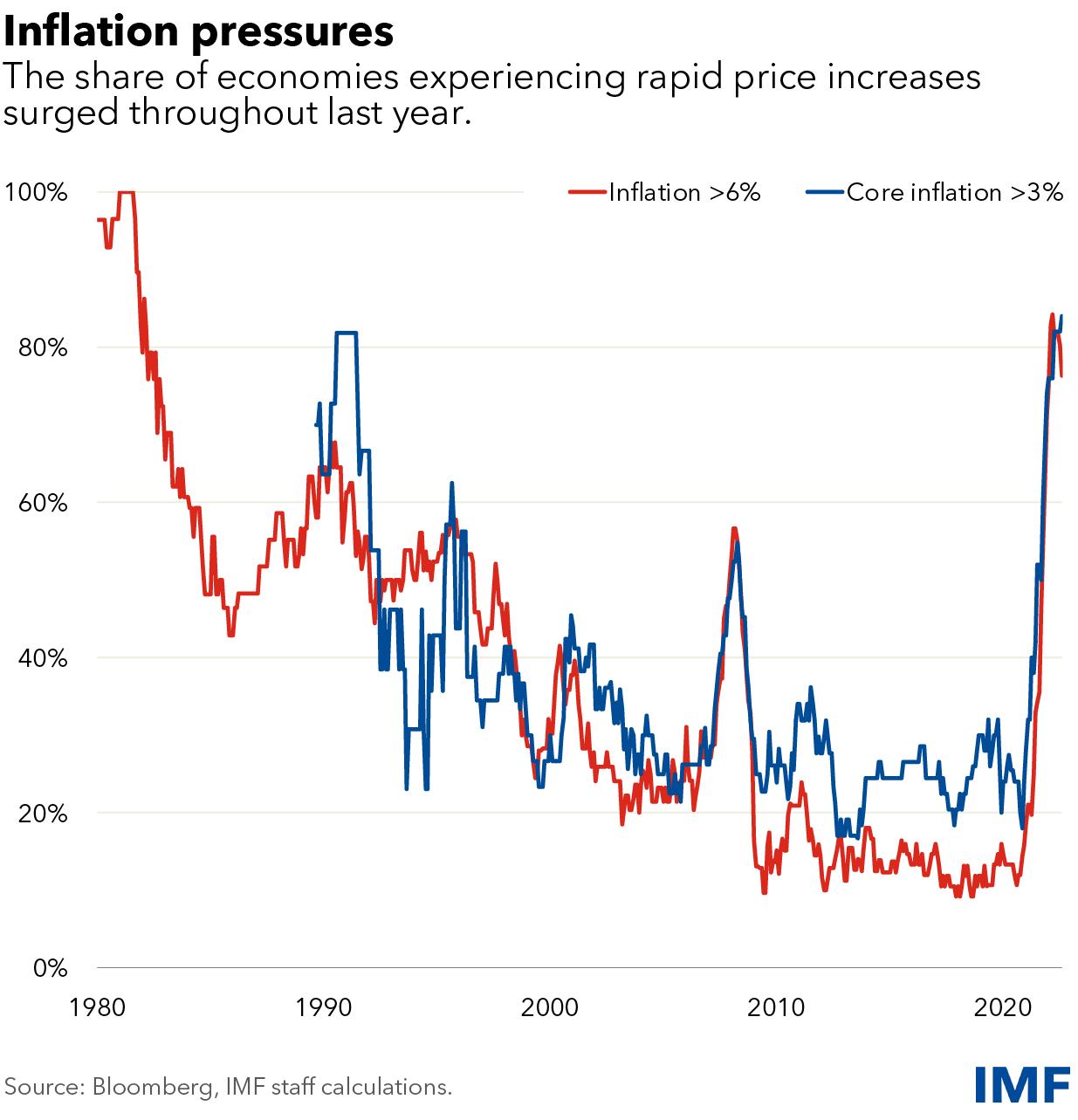
Inflation pressures are beginning to ease in several major economies, raising cautious optimism about a potential recovery in the global economy. Recent economic data suggests that price increases for goods and services are slowing after a prolonged period of high inflation in many countries.
Economists say declining energy costs, improved supply chains, and tighter monetary policies implemented by central banks have contributed to the gradual reduction in inflation rates. Over the past two years, many governments raised interest rates in an effort to control rising prices and stabilize their economies.
While inflation levels remain higher than long-term targets in some regions, the slowdown in price growth has provided relief for businesses and households struggling with increased living costs. Lower inflation could also help restore consumer confidence and encourage economic activity.
Central banks across the world are continuing to monitor inflation trends carefully. Policymakers remain cautious, as premature policy changes could risk triggering another wave of price increases. At the same time, maintaining high interest rates for too long could slow economic growth.
Experts say that although the easing inflation trend is a positive sign, global economic recovery will depend on several factors, including energy market stability, geopolitical developments, and trade conditions. Many analysts believe sustained economic stability will require balanced policy measures that support growth while keeping inflation under control.
Overall, the gradual decline in inflation pressures is seen as a hopeful signal that the global economy may be moving toward a more stable period after years of economic uncertainty. News as Reported.