

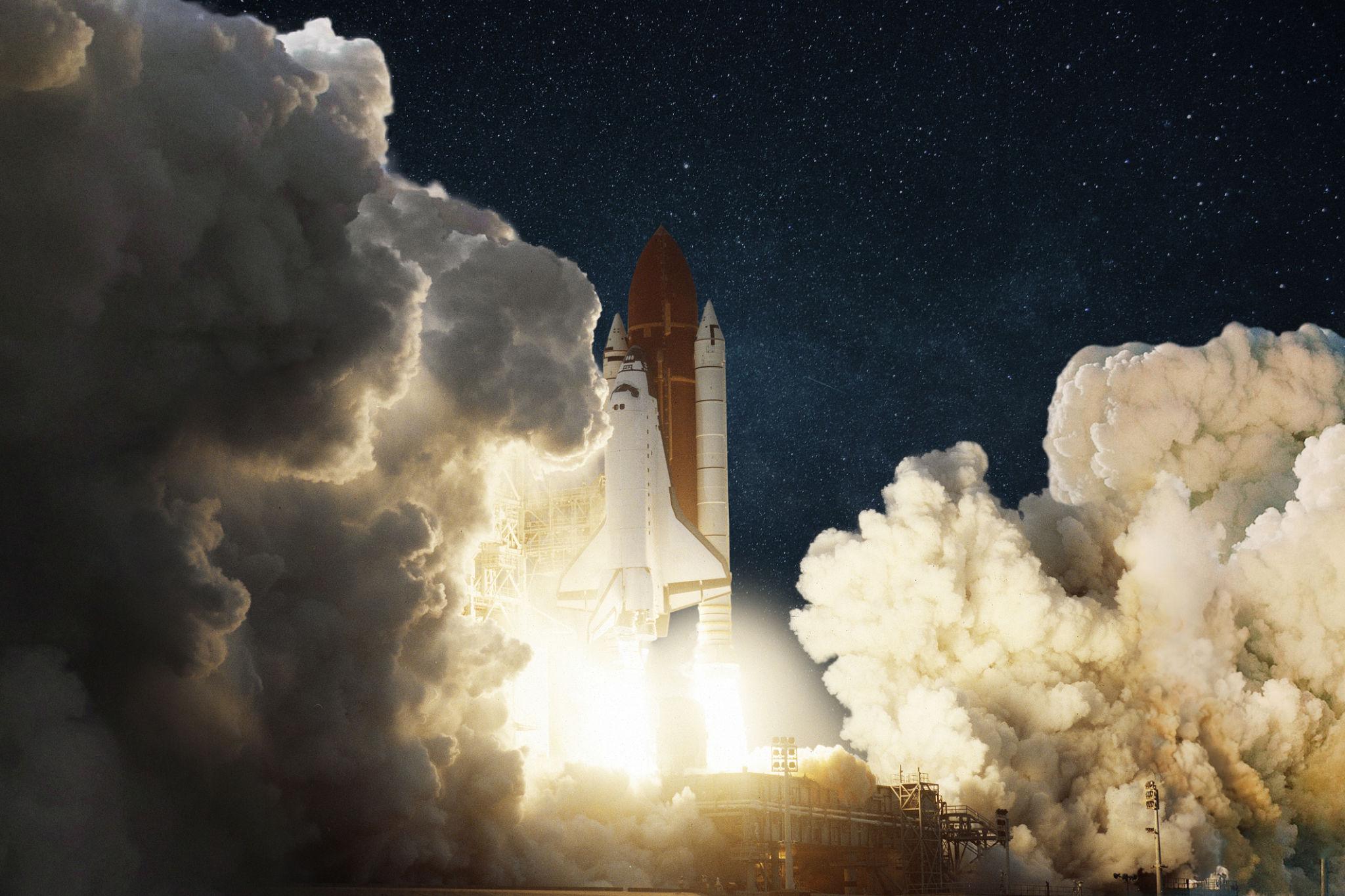
Recent advances in space technology and exploration missions have sparked renewed competition among the world’s leading space agencies. Governments are increasing investments in space programs as they race to achieve new milestones in lunar exploration, deep-space missions, and satellite technology.
Several countries have announced ambitious plans to expand their presence in space, including missions to the Moon, Mars, and beyond. These initiatives aim to support scientific research, technological development, and future human space exploration.
Major space agencies are focusing on building advanced spacecraft, reusable rockets, and next-generation satellites capable of supporting long-duration missions. Experts say improved propulsion systems, artificial intelligence, and robotic exploration technologies are accelerating progress in the sector.
The renewed competition is also being driven by the growing role of private space companies. Commercial firms are increasingly partnering with national space agencies to develop launch systems, satellite networks, and space infrastructure, creating a new era of public-private collaboration in space exploration.
Analysts note that space exploration has become a strategic priority for many countries due to its scientific, economic, and security benefits. Nations are investing heavily in satellite communications, space research, and planetary exploration programs.
As technology continues to evolve, experts believe the coming decade could bring major breakthroughs, including sustained human presence on the Moon, expanded space stations, and more advanced missions exploring distant planets and asteroids.News as Reported.


- upgraderz.aws@gmail.com
- upgraderz.aws@gmail.com
- upgraderz.aws@gmail.com
- upgraderz.aws@gmail.com