

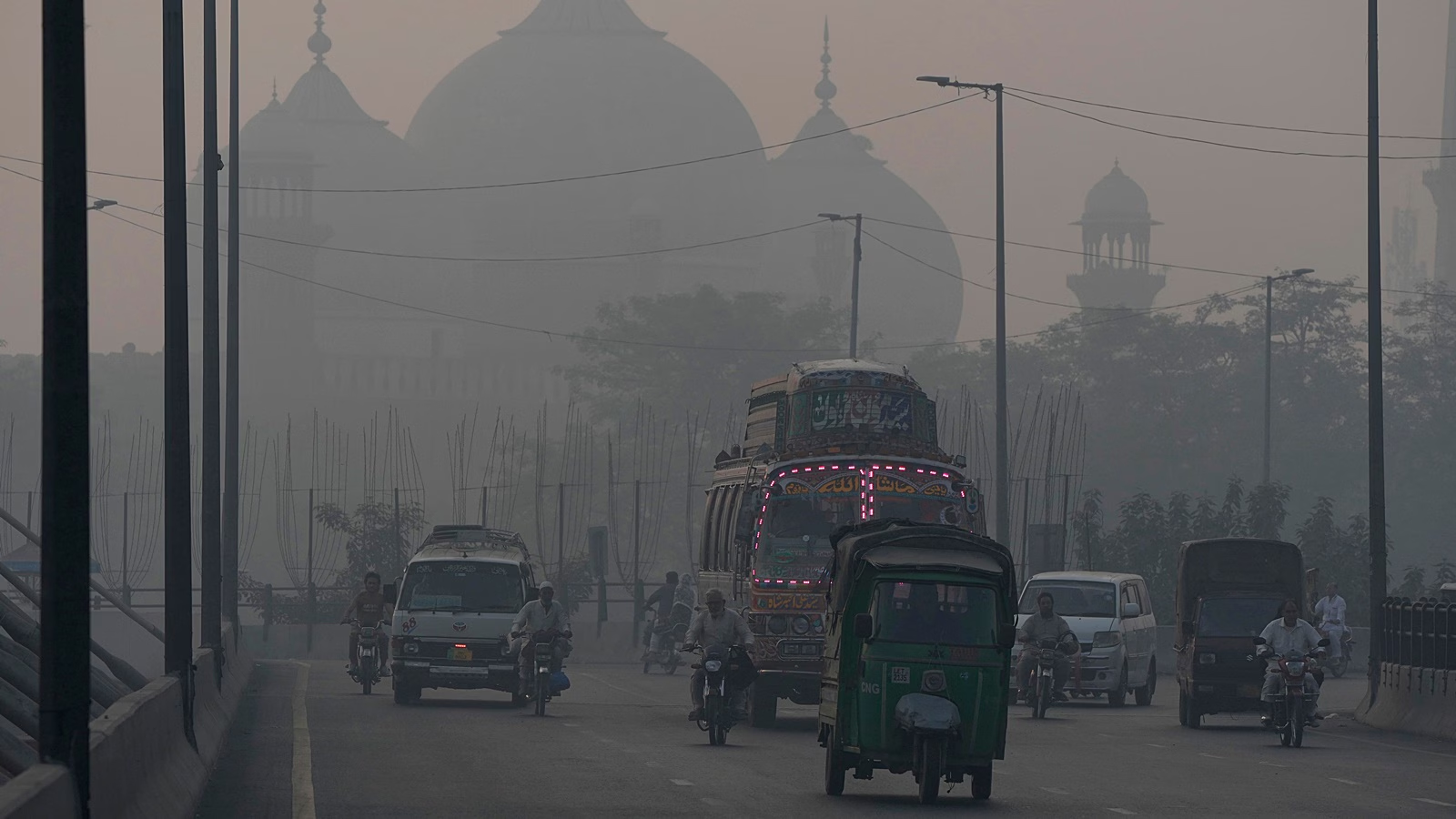
Air quality levels are worsening in several major cities around the world, raising serious public health and environmental concerns. Experts attribute the decline to a combination of rising pollution levels and changing weather patterns that trap harmful pollutants closer to the ground.
Urban centers across Asia, Europe, and the Americas have reported increased concentrations of fine particulate matter (PM2.5) and other toxic pollutants. Vehicle emissions, industrial activities, and construction dust remain key contributors, while stagnant atmospheric conditions are preventing the dispersion of polluted air.
Health officials warn that prolonged exposure to poor air quality can lead to respiratory illnesses, cardiovascular problems, and other long-term health complications. Vulnerable groups, including children, the elderly, and those with pre-existing conditions, are at greater risk.
Changing weather patterns, including reduced wind flow and temperature inversions, are further intensifying the problem by trapping pollutants in densely populated areas. In some cities, authorities have issued air quality alerts, advising residents to limit outdoor activities and use protective measures.
Experts stress the need for stricter emission controls, sustainable urban planning, and increased investment in clean energy solutions. Addressing air pollution is seen as critical not only for public health but also for mitigating broader climate change impacts. News as reported
