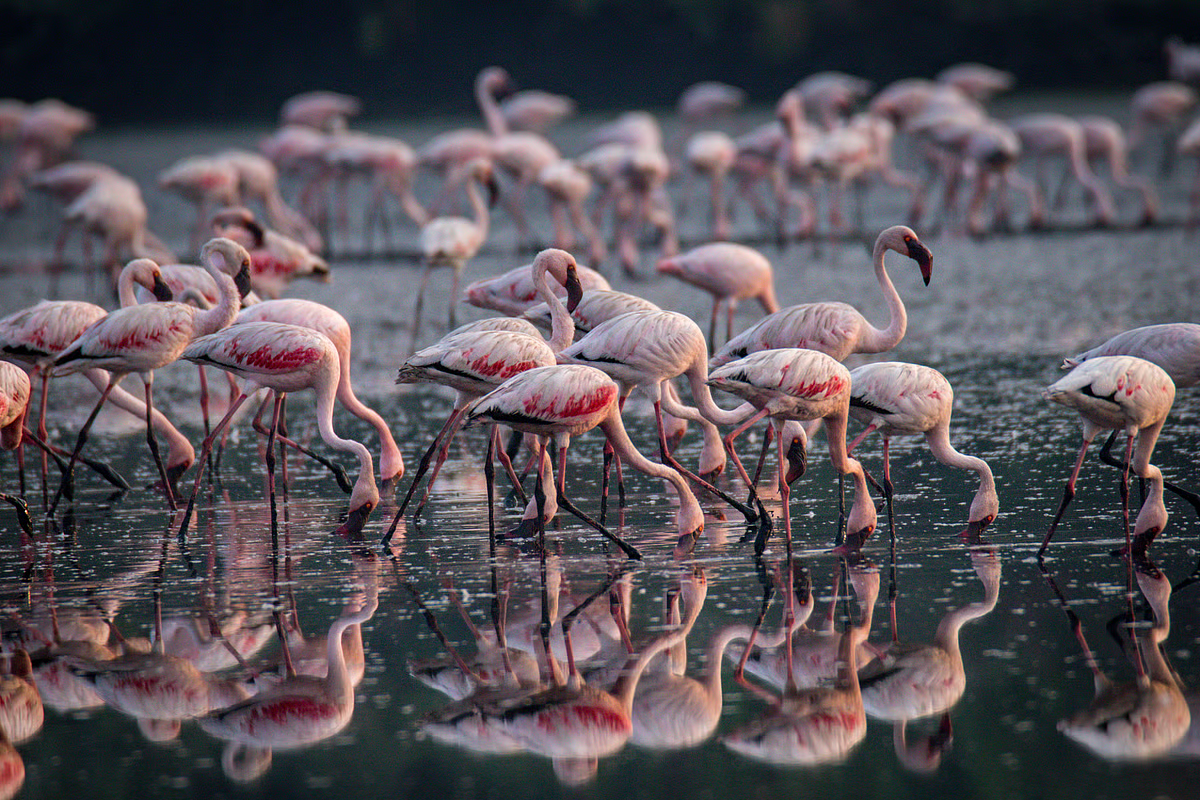
Environmentalists have raised serious concerns over the deteriorating condition of wetlands in Navi Mumbai, warning that increasing pollution is turning vital ecosystems into “toxic wetlands.” These wetlands, once known for hosting thousands of migratory flamingos, are now facing severe ecological stress due to unchecked urbanization and industrial waste.
The wetlands around Mumbai and its satellite regions have long served as crucial feeding and breeding grounds for flamingos and other bird species. Every year, large flocks arrive from distant regions, making the area an important biodiversity hotspot. However, environmental groups report that rising levels of chemical discharge, plastic waste, and sewage inflow are contaminating water bodies and reducing the availability of food sources such as algae and small aquatic organisms.
Experts warn that these changes are already affecting flamingo populations, with visible declines in numbers and altered migration patterns. The degradation of wetlands not only threatens birds but also impacts a wide range of flora and fauna that depend on these fragile ecosystems.
Activists have pointed out that rapid infrastructure development, including construction projects and land reclamation, is further shrinking wetland areas. Despite regulations aimed at protecting these natural habitats, enforcement remains weak, allowing illegal dumping and encroachment to continue.
The situation has prompted calls for urgent intervention by authorities. Conservationists are urging stricter pollution control measures, restoration of damaged wetland zones, and better monitoring systems to safeguard biodiversity. They also emphasize the importance of public awareness and community participation in protecting these ecosystems.
If immediate steps are not taken, experts caution that Navi Mumbai could lose one of its most iconic natural spectacles—the annual arrival of flamingos. More importantly, the continued decline of wetlands could have long-term environmental consequences, affecting water quality, flood control, and overall ecological balance in the region. News as reported