

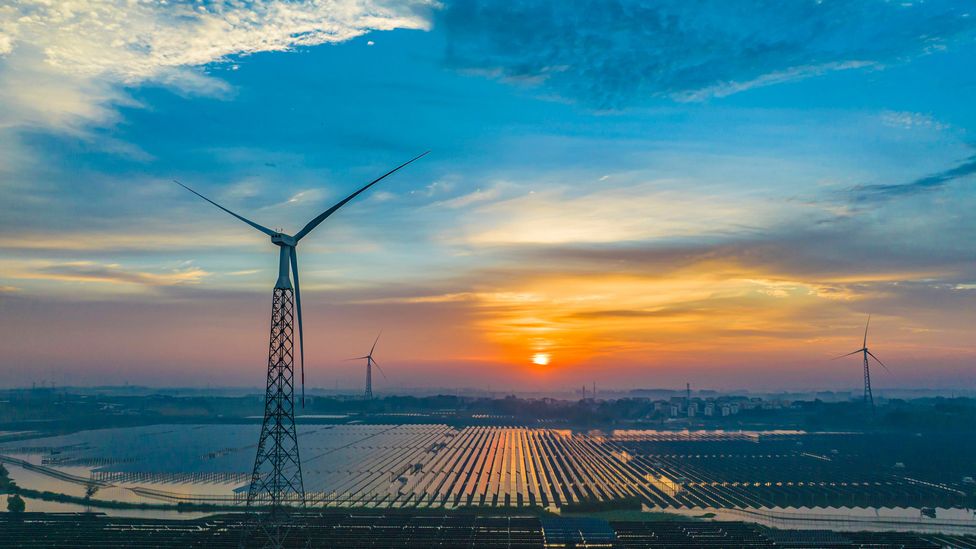
Countries around the world are significantly increasing investments in green hydrogen projects, positioning the fuel as a key component of future clean energy systems. Green hydrogen, produced using renewable energy sources such as wind and solar, is seen as a promising alternative to fossil fuels, particularly in sectors that are difficult to decarbonize.
According to the International Energy Agency and the International Renewable Energy Agency, global funding for hydrogen infrastructure has surged in recent years. Governments across Europe, Asia, and the Middle East are launching large-scale projects to develop production facilities, storage systems, and transport networks.
Experts highlight that green hydrogen can play a crucial role in reducing emissions in industries such as steel, shipping, and aviation, where electrification alone may not be sufficient. It can also be used for energy storage, helping balance supply and demand in renewable power systems.
However, challenges remain, including high production costs, limited infrastructure, and the need for technological advancements. Analysts stress that continued policy support, innovation, and international collaboration will be essential to scale up the industry.
Despite these hurdles, the growing momentum behind green hydrogen reflects a broader global commitment to transitioning toward sustainable energy and achieving long-term climate goals. News as reported
