

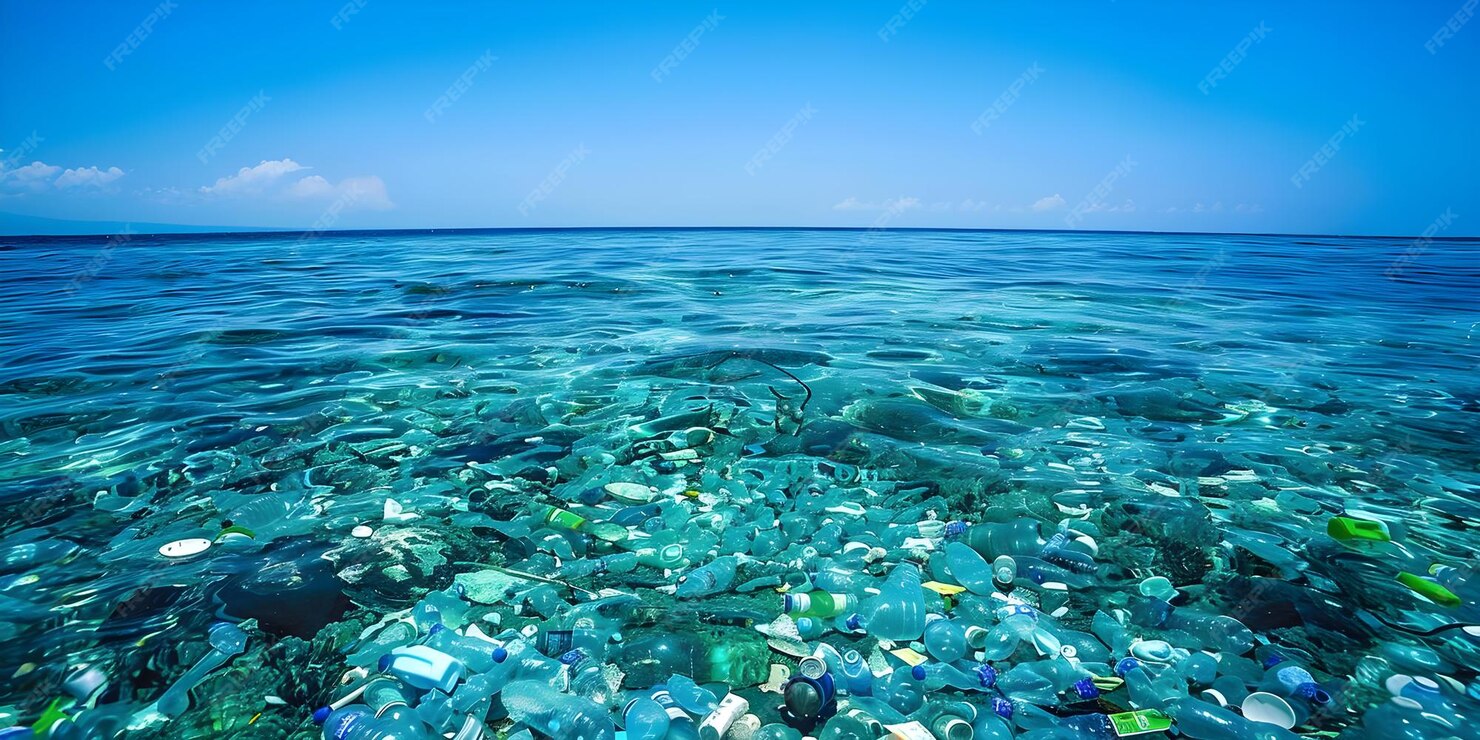
Marine pollution levels are continuing to rise worldwide, prompting urgent appeals from scientists and environmental groups for stricter controls on plastic waste. According to findings from the United Nations Environment Programme and advocacy by groups like the Ocean Conservancy, millions of tonnes of plastic enter the oceans each year, posing a growing threat to marine ecosystems.
Plastic debris, including single-use items and microplastics, is accumulating in oceans and coastal areas, harming marine life such as fish, seabirds, and turtles. Researchers warn that ingestion of plastic can lead to injury, starvation, and death among wildlife, while also disrupting entire food chains.
Beyond environmental damage, marine pollution is increasingly affecting human health and economies. Microplastics have been detected in seafood and drinking water, raising concerns about long-term health impacts. Coastal communities and fishing industries are also facing economic losses due to polluted waters and declining fish populations.
Experts are calling for comprehensive global action, including bans on certain single-use plastics, improved waste management systems, and stronger international agreements. Initiatives promoting recycling, biodegradable alternatives, and public awareness are also gaining momentum.
While some countries have introduced policies to reduce plastic use, scientists stress that coordinated global efforts are essential to curb pollution and protect ocean ecosystems for future generations. News as reported
