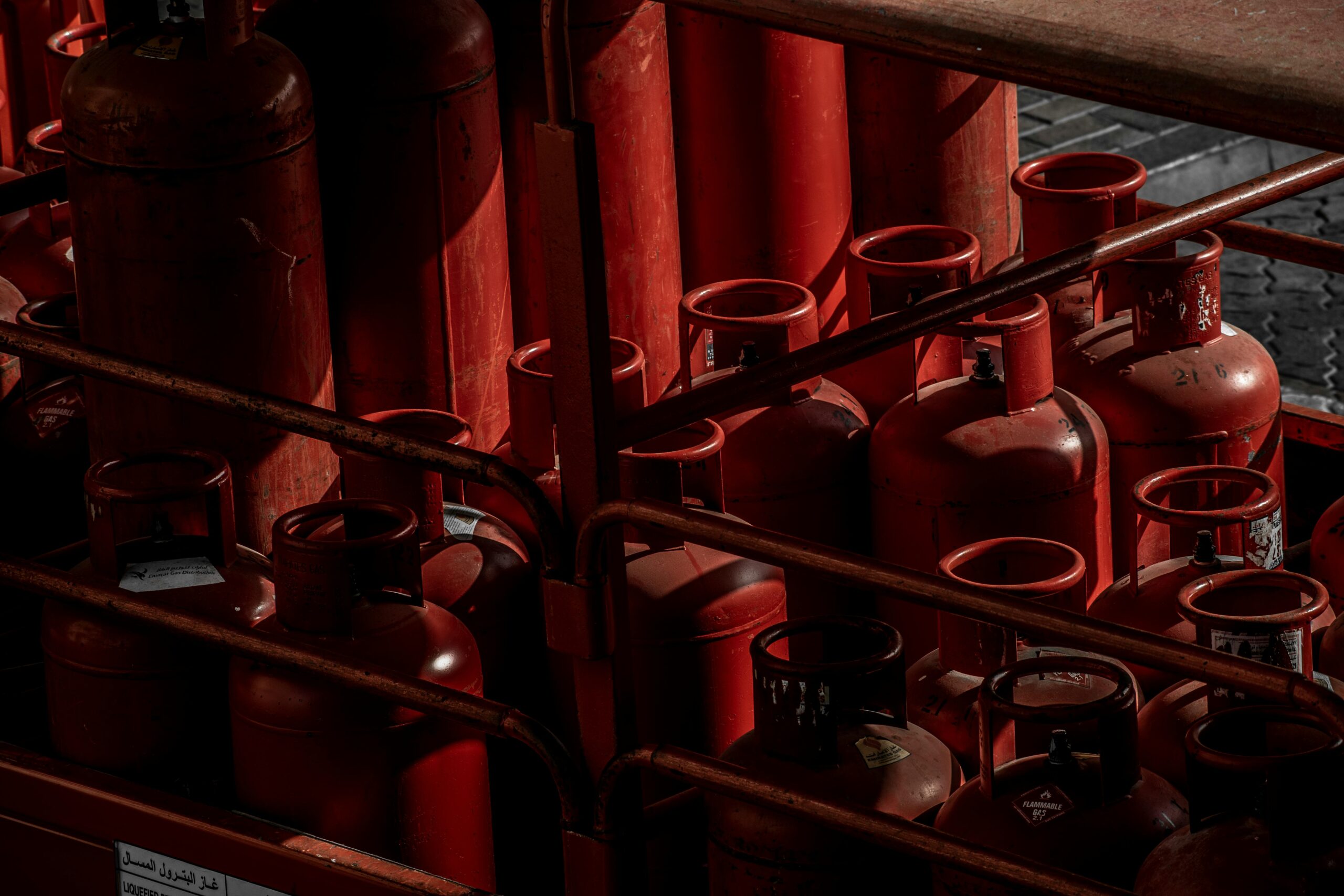
The Kerala government has convened a high-level meeting to tackle the growing shortage of liquefied petroleum gas (LPG) cylinders in the state. The meeting, chaired by Chief Minister Pinarayi Vijayan, was held in Thiruvananthapuram and attended by senior ministers, government officials, and representatives from major oil companies. The discussions focused on finding immediate solutions to the shortage of non-domestic LPG cylinders, which are widely used by restaurants, hostels, canteens, and other commercial establishments.
Officials reported that the shortage has significantly affected several sectors across Kerala. Many restaurants and catering services have struggled to obtain cooking gas, and industry representatives warned that a large number of eateries may temporarily shut down if the supply situation does not improve quickly. The crisis has also affected hostels, community kitchens, and other institutions that depend heavily on LPG for daily food preparation.
During the meeting, the state government decided to request the central government to increase Kerala’s allocation of non-domestic LPG cylinders, which is currently limited to around 20 percent. Authorities noted that the demand for LPG in Kerala is high because of the large number of migrant workers and commercial establishments operating in the state. Increasing the quota is expected to ease the immediate shortage and stabilize supply.
The government also announced several emergency measures to manage the crisis. A state-level monitoring committee and district-level committees will be formed to track LPG supply and consumption. Priority distribution will be given to essential institutions such as hospitals, old-age homes, schools, orphanages, community kitchens, and crematoriums to ensure that critical services continue without disruption.
In addition, authorities plan to strengthen inspections to prevent hoarding and misuse of domestic cylinders for commercial purposes. The Civil Supplies Department will also explore increasing the availability of alternative fuels such as kerosene if required. These steps are aimed at stabilizing the supply of cooking gas while protecting essential services and businesses across the state.
News as reported