

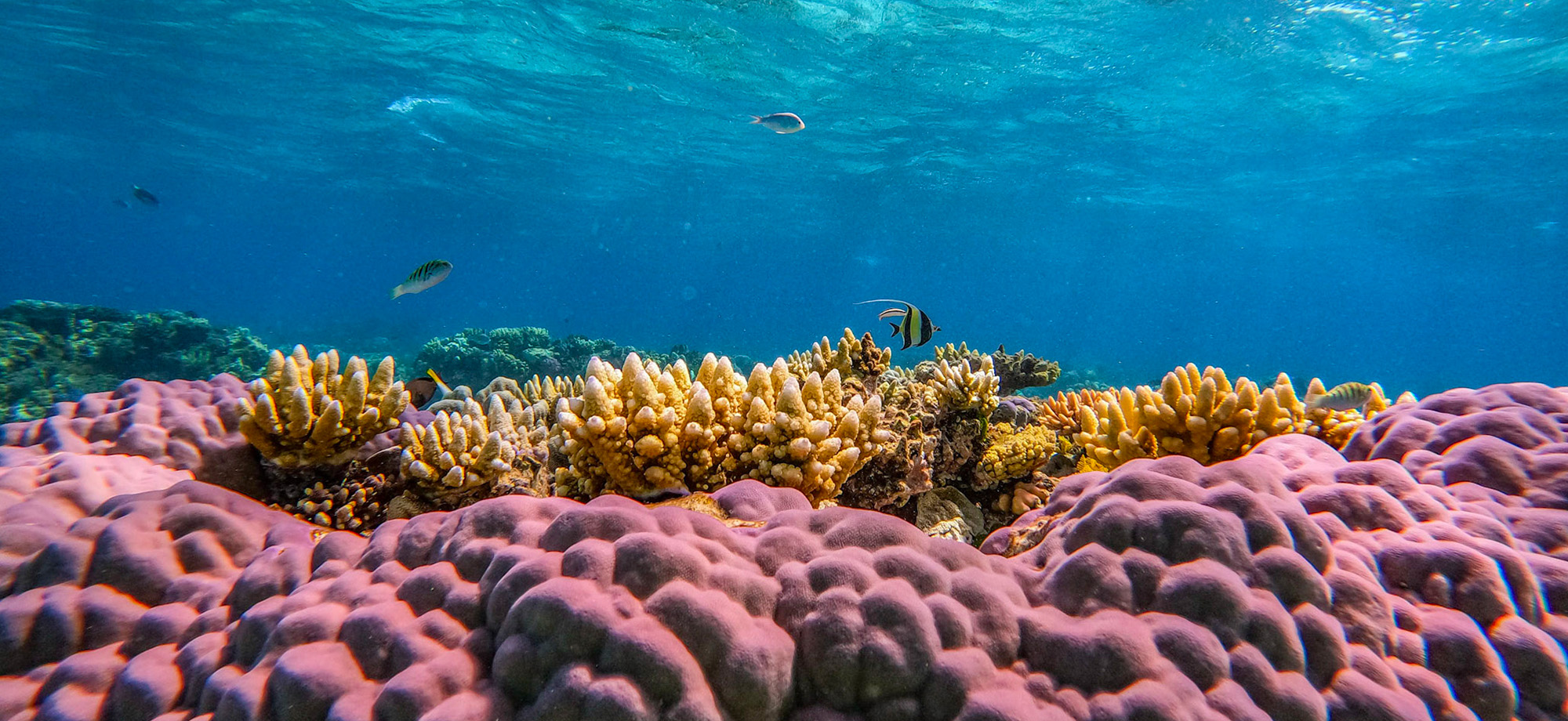
Scientists around the world are raising serious concerns about the rapid decline of coral reefs as ocean temperatures continue to rise due to climate change. Coral reefs are among the most diverse ecosystems on Earth, supporting nearly one-third of all marine species and providing food, income, and coastal protection for millions of people. However, rising sea temperatures are pushing these fragile ecosystems toward a potential collapse.
Researchers say the main driver of coral reef decline is coral bleaching, a process triggered when ocean temperatures become unusually warm. During bleaching, corals expel the microscopic algae living in their tissues that provide them with food and color. Without these algae, corals turn white and can die if heat stress continues for long periods.
Recent global monitoring shows the scale of the crisis. Since 2023, bleaching-level heat stress has affected about 84% of the world’s coral reefs across more than 80 countries, making it the largest bleaching event ever recorded.
Scientists warn that coral reefs may be approaching a dangerous climate tipping point, where large portions of reef ecosystems could disappear if global temperatures continue to rise. Some projections suggest that 70–90% of coral reefs could decline or disappear this century without strong climate action.
Experts stress that reducing greenhouse-gas emissions, protecting marine habitats, and expanding reef restoration programs are essential steps to prevent further damage. Without urgent global action, one of the planet’s most important marine ecosystems could face irreversible decline in the coming decades. News as reported
