

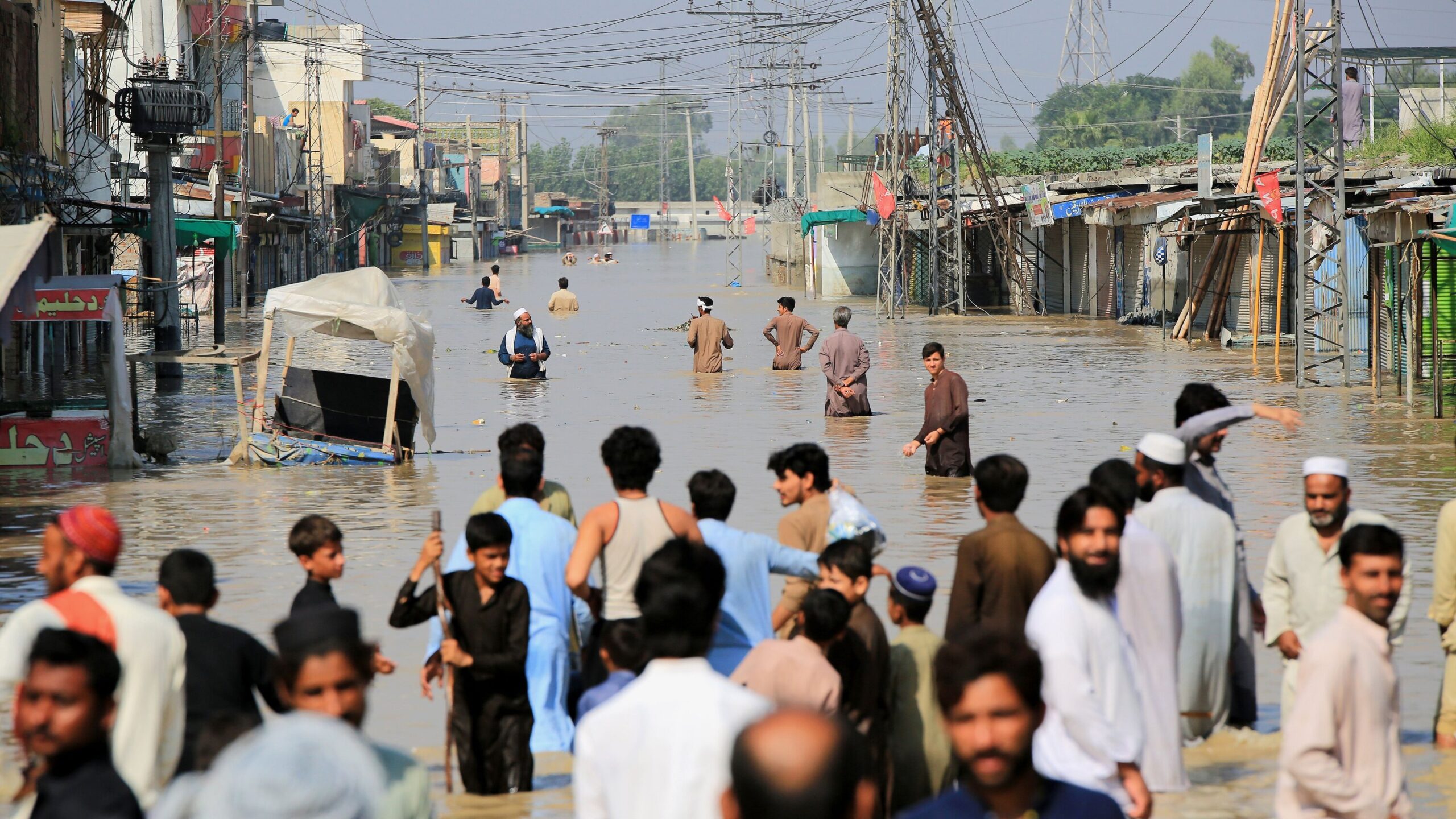
A new global climate assessment warns that accelerating climate change is rapidly increasing the frequency and intensity of extreme weather events across the world. Scientists say rising global temperatures are amplifying natural climate systems, leading to more heatwaves, heavy rainfall, floods, droughts, and powerful storms.
According to international climate research and UN-linked reports, the planet has already warmed by about 1.1–1.5°C above pre-industrial levels, largely due to greenhouse gas emissions from burning fossil fuels and unsustainable land use. This warming has made extreme weather events significantly more frequent and severe in many regions.
Recent studies show that compound climate disasters—such as heatwaves followed by droughts—are occurring much more often. Scientists estimate that these “heat-first droughts” now affect about 16.7% of Earth’s land each year, compared with only 2.5% in the 1980s, highlighting how rapidly climate risks are escalating.
Global climate monitoring organizations also report a surge in unusual weather events. In 2024 alone, more than 600 extreme weather events were recorded worldwide, including heatwaves, floods, storms, and droughts, many of which displaced hundreds of thousands of people.
Scientists explain that warmer air can hold more moisture—about 7% more water vapor for every 1°C increase in temperature—which intensifies heavy rainfall and storms. At the same time, higher temperatures increase evaporation, worsening drought conditions in many regions.
Experts warn that if global warming continues unchecked, extreme weather events will become even more frequent and damaging, threatening ecosystems, food security, infrastructure, and human health. They stress that rapid emission reductions and stronger climate adaptation strategies are essential to reduce future risks. News as reported