

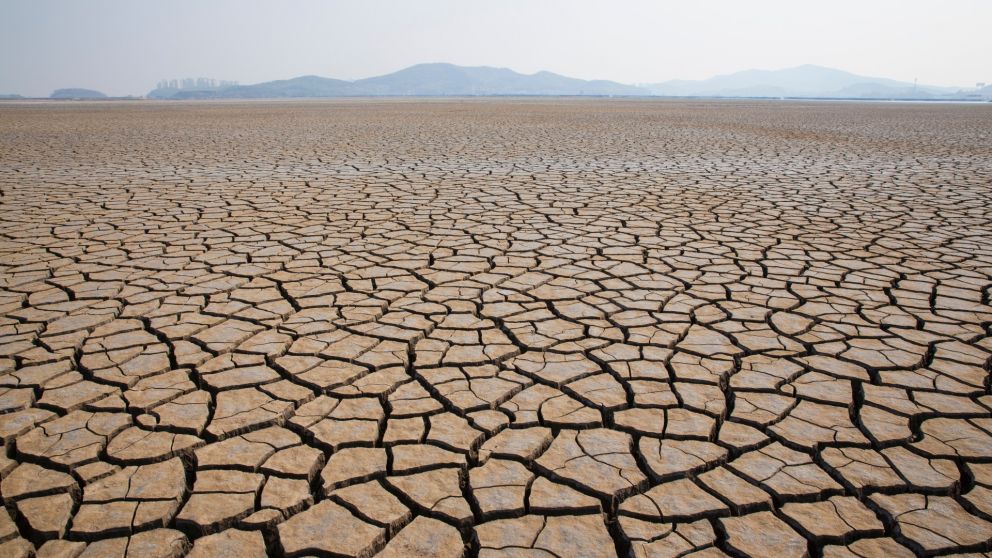
Extreme weather events are becoming more frequent and severe around the world as climate change continues to intensify global weather patterns, according to recent scientific reports. Researchers say rising global temperatures are increasing the likelihood of devastating floods, prolonged droughts, and record-breaking heatwaves across many regions.
Scientists explain that warmer air holds more moisture, which can lead to heavier rainfall and sudden flooding in vulnerable areas. At the same time, higher temperatures accelerate evaporation, worsening drought conditions and reducing water availability for agriculture and communities.
In many parts of the world, heatwaves are becoming longer and more intense, posing serious risks to human health, wildlife, and ecosystems. Crops are also suffering under extreme temperatures and water shortages, raising concerns about food security in the coming decades.
Experts note that coastal regions and low-lying areas face additional risks as storms become stronger and sea levels continue to rise. These combined effects are placing greater pressure on infrastructure, emergency systems, and natural habitats.
Scientists stress that urgent global action is needed to reduce greenhouse gas emissions and strengthen climate adaptation strategies. Expanding renewable energy, protecting forests, and improving disaster preparedness are considered key steps to reduce the growing impacts of extreme weather worldwide. News as reported
