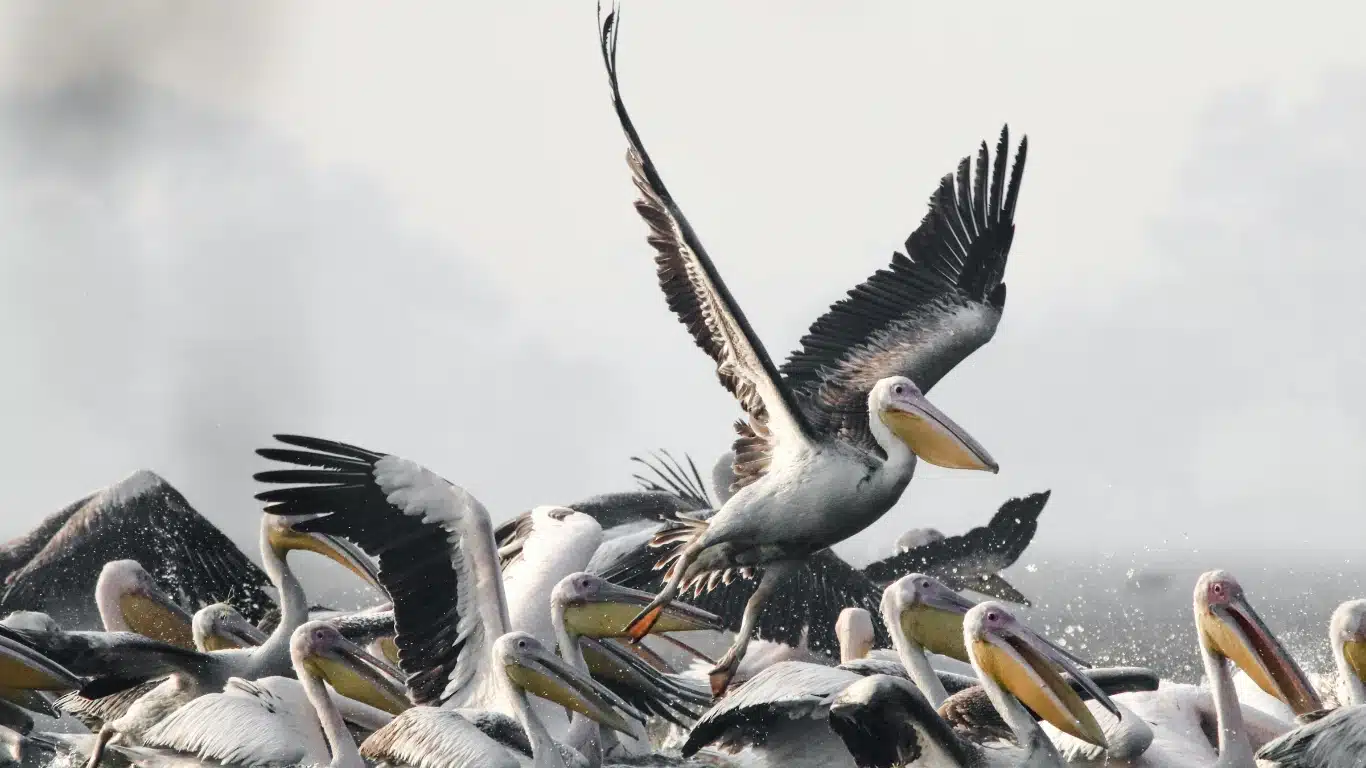
A new global assessment has revealed that nearly half of the world’s migratory wildlife species are experiencing significant population declines, raising serious concerns among conservationists and scientists. The findings highlight the growing threats faced by animals that travel long distances across countries and continents in search of food, breeding grounds, and favorable climates.
According to researchers, habitat loss, climate change, pollution, and overexploitation are among the major factors driving the decline of migratory species. Rapid urbanization, deforestation, and expanding infrastructure projects are disrupting critical migration routes and breeding habitats used by birds, marine animals, and terrestrial wildlife.
The study notes that migratory species such as sea turtles, whales, sharks, and many bird species are particularly vulnerable because they rely on multiple ecosystems during their life cycles. When any part of these migration pathways is damaged or degraded, entire populations can suffer.
Climate change is also altering seasonal patterns and food availability, making it harder for migratory animals to survive and reproduce successfully. Scientists warn that without urgent conservation measures, many of these species could face severe population losses or even extinction in the coming decades.
Experts are calling for stronger international cooperation to protect migratory corridors, restore habitats, and reduce threats such as illegal wildlife trade and pollution. Protecting migratory species is considered vital for maintaining healthy ecosystems and global biodiversity. News as reported