

Environmental experts are warning that many countries are not making sufficient progress toward global biodiversity protection goals set for 2030. The targets were established under the Convention on Biological Diversity during the COP15 UN Biodiversity Conference, where governments adopted the Kunming-Montreal Global Biodiversity Framework. The framework aims to halt and reverse biodiversity loss by the end of this decade.
One of the most important goals of the framework is to protect at least 30 percent of the planet’s land and ocean areas by 2030, commonly known as the “30×30” target. However, conservation scientists say current efforts remain far below what is needed to meet this milestone. Many nations have yet to establish clear policies, funding mechanisms, and monitoring systems required to expand protected areas and restore degraded ecosystems.
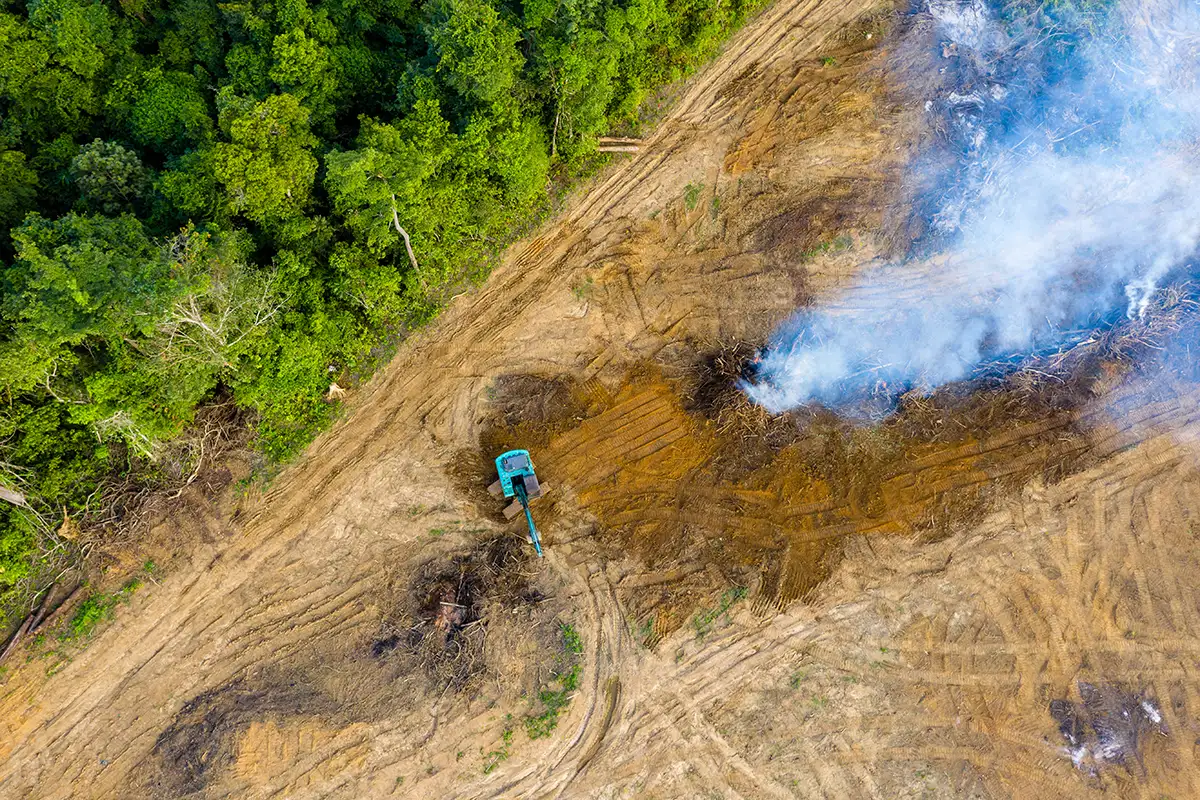
Experts also highlight ongoing challenges such as deforestation, habitat destruction, pollution, climate change, and overexploitation of wildlife. These pressures continue to drive species loss and ecosystem degradation worldwide. According to conservation groups, delays in implementing biodiversity plans could undermine global efforts to safeguard ecosystems that support food security, water resources, and climate stability.
Scientists emphasize that stronger political commitment, increased financial investment, and better cooperation between governments, local communities, and conservation organizations are essential. Protecting forests, wetlands, coral reefs, and other critical habitats is considered vital for maintaining biodiversity and ensuring a sustainable future for both nature and humanity. News as reportd
