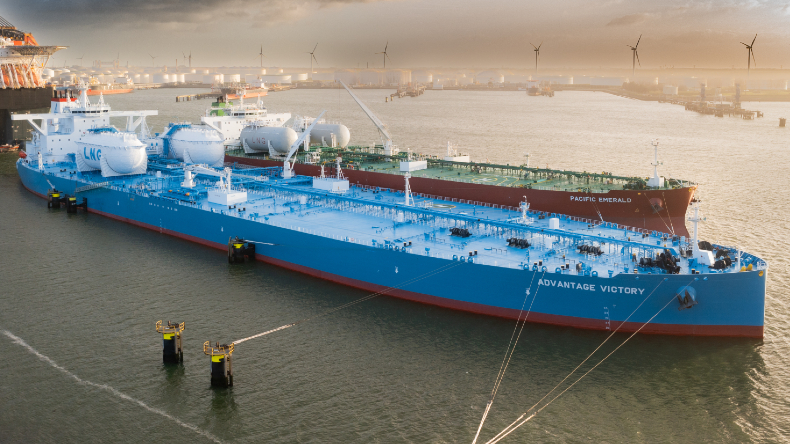
Global oil prices have surged sharply as energy markets react to escalating geopolitical tensions in the Middle East. The latest rise follows intensified military confrontations involving Iran, the United States, and Israel, which have raised fears of disruptions to critical oil supply routes and energy infrastructure.
Brent crude, the international oil benchmark, climbed to around $90–$92 per barrel, marking its highest level since 2023. Analysts say the spike reflects growing concern among traders that the ongoing conflict could disrupt shipments through the Strait of Hormuz, a vital passage that carries roughly 20% of the world’s oil supply.
Energy markets have been particularly sensitive after reports of missile and drone attacks targeting oil facilities and tankers in the Gulf region. Even minor disruptions to refineries and export terminals have been enough to trigger volatility, as global traders anticipate potential shortages if the conflict continues to intensify.
Financial markets have also reacted to the rising uncertainty. Stock markets in several countries declined while fuel prices and transportation costs climbed, raising concerns about renewed global inflation. Experts warn that if the crisis spreads further or restricts tanker traffic in key waterways, oil prices could potentially exceed $100 per barrel in the coming months.
Governments and international organizations are closely monitoring the situation, urging diplomatic efforts to prevent further escalation that could destabilize global energy markets and the broader world economy.News as Reported.