

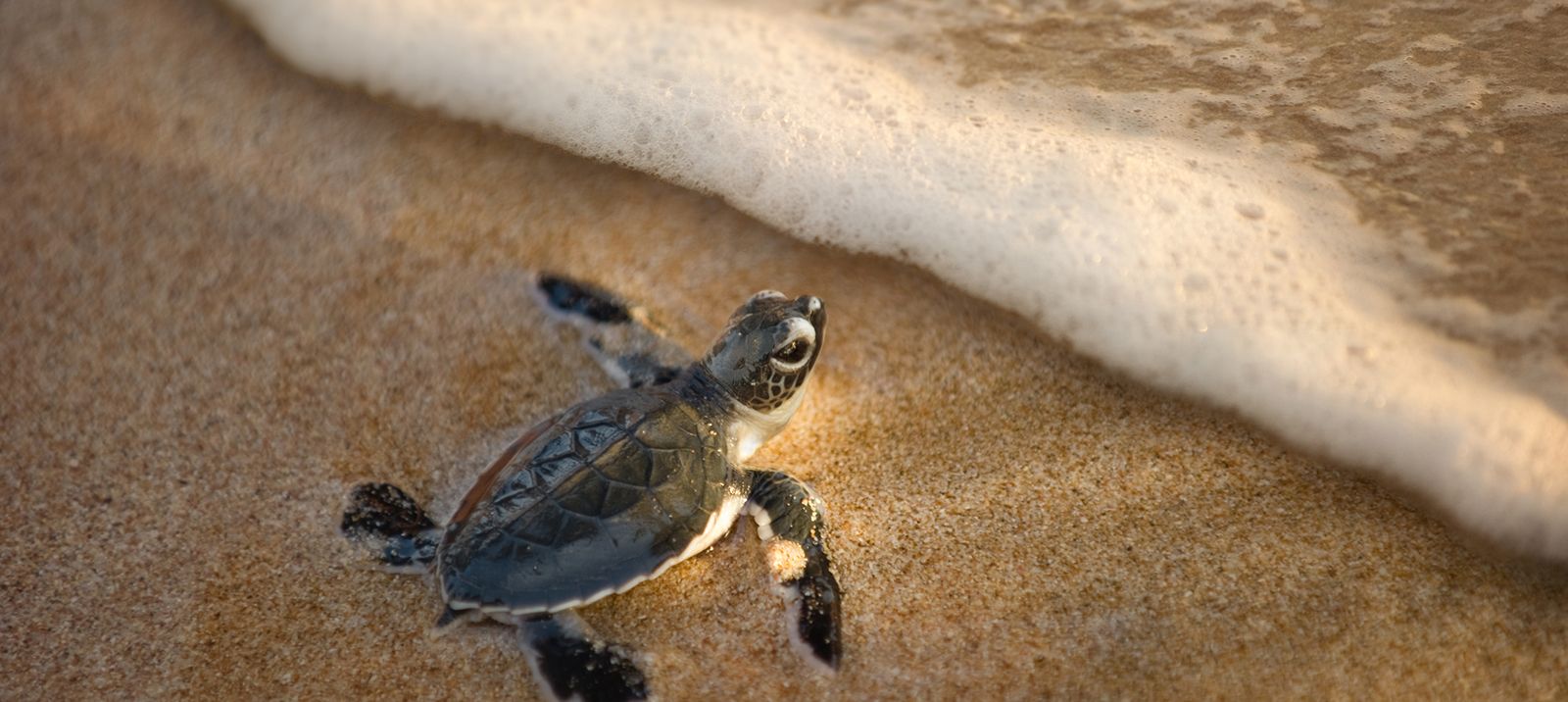
The recent discovery of several baby loggerhead turtles has drawn renewed attention to the growing impact of climate change on marine wildlife. Marine biologists monitoring nesting beaches reported an unusually high number of hatchlings during a recent survey, offering both hope for conservation and concern about changing environmental conditions.
Loggerhead sea turtles, scientifically known as Caretta caretta, are a vulnerable species that rely on stable beach temperatures and ocean ecosystems for survival. Scientists note that rising global temperatures are significantly affecting turtle populations because the temperature of the sand determines the sex of hatchlings. Warmer sands tend to produce more female turtles, which could disrupt population balance in the future.
Researchers also warn that sea level rise, coastal erosion, and stronger storms are increasingly threatening nesting habitats. In some regions, nests are being flooded or washed away before hatchlings can emerge. At the same time, warming ocean waters are altering food availability and migration patterns for adult turtles.
Conservationists say the discovery of new hatchlings is encouraging, but it also highlights the urgent need to protect nesting beaches and reduce climate-related threats. Efforts such as protected coastal zones, community awareness programs, and climate mitigation strategies are considered essential to ensure the survival of loggerhead turtles and other marine species in the years ahead. News as reported
